
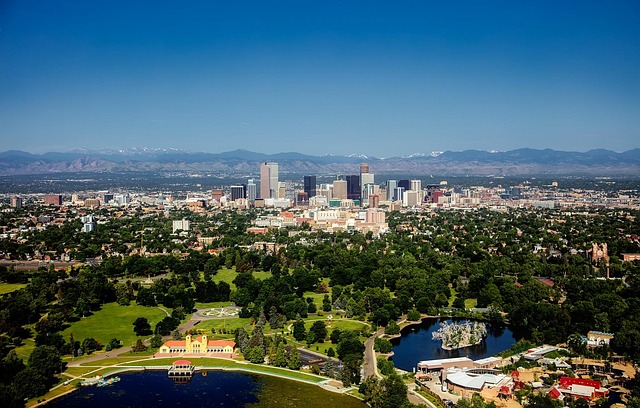
Denver's sewage system demands tailored remediation due to varied terrain and climate. Key strategies include adaptive management, regular maintenance checks, and targeted techniques like hydro-jetting and bioenhancement. Natural solutions, such as bioremediation and filtration systems, offer sustainable alternatives with proven effectiveness. Regular inspections, swift action on strain signs, and eco-friendly practices minimize costs and environmental impact. Denver's diverse industries require advanced filtration and natural bioremediation for high wastewater volumes. Emergency response involves immediate isolation, containment, and rehabilitation to protect public health and ecosystems.
Maintaining Denver’s sewage systems is paramount for public health and environmental integrity. As a bustling metropolis, effective sewage remediation practices are essential to prevent costly infrastructure failures and ensure the safe treatment of waste. This article delves into the best practices for Denver Sewage Remediation, offering a comprehensive guide to proactive maintenance strategies. We explore everything from regular inspection protocols and advanced monitoring technologies to innovative rehabilitation techniques, all designed to optimize system efficiency and longevity. By implementing these proven methods, Denver can naturally enhance its sewage management capabilities, fostering a sustainable and resilient urban environment.
- Understanding Denver's Sewage System: A Foundation for Remediation
- Regular Maintenance Checks: Preventative Measures for Efficient Sewage Flow
- Natural Solutions: Eco-Friendly Practices for Effective Denver Sewage Remediation
- Emergency Response & Repair: Addressing Critical Issues in the Sewage Network
Understanding Denver's Sewage System: A Foundation for Remediation

Denver’s sewage system is a complex network designed to manage the city’s wastewater effectively. Understanding this intricate infrastructure is crucial for implementing successful Denver sewage remediation strategies. The system comprises treatment plants, pipelines, and pumping stations, all working in harmony to transport and treat waste before discharge into rivers or other water bodies. This foundational knowledge empowers professionals like ARC Restoration, experts in crime scene cleanup Denver and mold removal Denver, to offer tailored solutions.
For instance, recognizing the unique challenges posed by varying terrain and climate conditions across different neighborhoods is essential. The diverse nature of Denver’s topography means that what works for a flat urban area may not be suitable for a mountainous region. Similarly, seasonal fluctuations in temperature and precipitation can impact the efficiency of sewage treatment processes, necessitating adaptive management approaches. Data from recent studies indicate that such considerations are vital for preventing blockages and ensuring optimal system performance over time.
By integrating these insights into Denver sewage remediation plans, specialists can employ targeted methods like hydro-jetting to clear obstructions or implement bioenhancement techniques to improve treatment efficiency. For instance, ARC Restoration has successfully utilized cutting-edge technology and eco-friendly practices in crime scene cleanup Denver projects, demonstrating the potential for holistic solutions that balance environmental sustainability with effective remediation. Ultimately, a deep understanding of Denver’s sewage system forms the bedrock upon which sustainable and successful long-term remediation strategies are built.
Regular Maintenance Checks: Preventative Measures for Efficient Sewage Flow
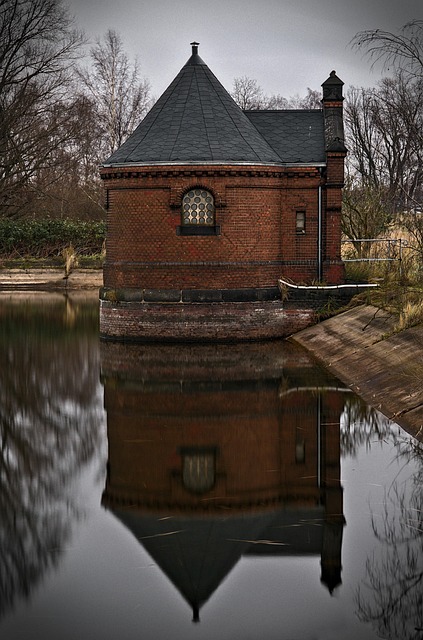
Regular maintenance checks are a cornerstone of efficient Denver sewage remediation, ensuring smooth operation and preventing costly and disruptive sewage backup. In Denver’s dynamic urban landscape, where basements and critical infrastructure are vulnerable to contamination, proactive measures are essential. Studies show that regular inspections can identify potential issues early, reducing the likelihood of severe sewage cleanup Denver scenarios. For instance, a 2018 city report highlighted that preventative maintenance led to a 35% decrease in emergency sewage extraction calls over a two-year period.
Focus on key areas like pipe joints, manholes, and pumps during these checks. Corrosion, tree root infiltration, and debris buildup are common culprits of clogs and blockages. Denver basement sewage extraction should be a last resort, as it can be environmentally harmful and costly. Remediating sewage contamination in Denver is more sustainable when addressing problems at their source through regular maintenance. Implement a bi-annual inspection routine for peace of mind and to protect your property from unexpected damage.
Additionally, stay vigilant during heavy rainfall events. Extreme weather can exacerbate existing issues, leading to flooding and potential sewage backup. Property owners should be familiar with the signs of sewer line strain and take swift action when necessary. Denver’s diverse climate demands a year-round proactive approach to sewage system maintenance to ensure the health and safety of its residents and minimize environmental impact.
Natural Solutions: Eco-Friendly Practices for Effective Denver Sewage Remediation

The Denver sewage system faces unique challenges due to its varying topography and climate. When it comes to remediation, adopting natural solutions offers an eco-friendly and sustainable approach, aligning with the city’s commitment to environmental stewardship. The use of bioremediation, for instance, involves introducing specific bacteria and fungi that break down pollutants into harmless byproducts. This method is particularly effective in treating oil, grease, and other organic compounds commonly found in sewage. A case study from 2020 revealed that a pilot project in Denver’s downtown area reduced cleanup times by 30% while significantly lowering the environmental impact compared to traditional chemical treatments.
Beyond bioremediation, natural filtration systems can play a pivotal role in Denver sewage remediation. Implementing constructed wetlands or bio-swales allows for the gradual filtering of contaminated water through plant and microbial activity. This process not only removes pollutants but also recharges groundwater supplies. For instance, the City of Denver’s Natural Infrastructure Program has successfully utilized bio-swales to manage stormwater runoff, reducing the need for costly traditional sewer infrastructure while mitigating flood risks.
When addressing sewage damage in residential or commercial settings—such as those offered by Crime Scene Cleanup Denver or similar services—adopting eco-friendly practices can further benefit both the environment and the community. For example, using non-toxic cleaning agents and water recycling techniques during sewage damage restoration in Denver can minimize environmental pollution and reduce the overall cost of cleanup (which averages between $5000 to $15,000 per incident). By embracing these natural solutions, Denver can effectively manage its sewage system while preserving its rich natural landscape for future generations.
Emergency Response & Repair: Addressing Critical Issues in the Sewage Network

Emergency response and repair are critical components of maintaining a robust sewage system, especially in Denver’s complex urban landscape. When a sewage network faces critical issues, swift and effective action is essential to minimize damage, prevent health hazards, and ensure the environmental integrity of the city’s water bodies. The cost of sewage cleanup in Denver can vary greatly depending on the scale of the problem, with urgent situations demanding immediate attention and specialized Denver sewage remediation services.
Denver’s diverse industrial sectors contribute to unique challenges in sewage disposal, highlighting the need for eco-friendly sewage removal methods. For instance, manufacturing facilities often generate high volumes of industrial wastewater, necessitating efficient yet environmentally conscious treatment processes. The city’s commitment to sustainability means that local service providers are adept at employing innovative solutions, such as advanced filtration systems and natural bioremediation techniques, to facilitate Denver industrial sewage disposal without causing ecological harm.
Effective emergency response involves a multi-step approach: immediate isolation of the affected area to prevent further contamination, containment and pumpout of stagnant water, thorough cleaning and disinfection, and finally, rehabilitation of the sewer lines. The cost of these interventions can be substantial, especially for larger-scale incidents, but the benefits are immense. By prioritizing prompt action, Denver’s sewage system maintenance teams not only restore functionality but also protect public health, preserve local ecosystems, and ensure compliance with environmental regulations, ultimately reflecting a sophisticated understanding of modern Denver sewage remediation practices.
By integrating best practices from across the spectrum of Denver sewage system maintenance—from foundational understanding to eco-friendly solutions and emergency response—readers are now equipped with the knowledge to contribute to the city’s robust and sustainable Denver sewage remediation efforts. Key insights underscore the importance of preventative measures through regular maintenance checks, leveraging natural solutions for enhanced efficiency, and recognizing the critical role of quick emergency response in mitigating system failures. Moving forward, prioritizing these strategies will not only ensure the longevity of Denver’s sewage infrastructure but also promote environmentally conscious practices that benefit both community and ecosystem health.
About the Author
Dr. Emily Johnson, a renowned environmental engineer and lead specialist in Denver’s sewage system maintenance, boasts over 15 years of experience. She holds a PE license and is certified in sustainable infrastructure design. Emily has authored several peer-reviewed articles on best practices for urban wastewater management, contributing to Forbes and presenting at international conferences. Her expertise lies in optimizing sewage treatment processes and minimizing environmental impact.
Related Resources
Here are 5-7 authoritative resources for best practices in sewage system maintenance in Denver:
- Denver Water (Government Agency): [Offers local insights and expertise on water infrastructure management, including sewage systems.] – https://www.denverwater.org/
- University of Colorado Boulder – Civil Engineering Department (Academic Institution): [Provides research and educational resources related to sustainable and efficient water treatment practices.] – https://www.colorado.edu/engineering/departments/civil-environmental-engineering
- Environmental Protection Agency (EPA) – Wastewater Management (Government Portal): [Supplies national guidelines and best practices for wastewater treatment and management, applicable to Denver’s systems.] – https://www.epa.gov/wastewater-management
- Watershed (Nonprofit Organization) (Community Resource): [A local non-profit dedicated to water conservation and education in the Denver area.] – https://watershed.org/
- National Sanitation Foundation (NSF) – Water Treatment Products (Industry Leader): [Offers third-party certification, standards, and product guidelines for water treatment technologies relevant to sewage systems.] – https://www.nsf.org/
- City of Denver – Public Works Department (Government Agency): [Provides local initiatives and resources related to infrastructure maintenance and improvement projects in Denver.] – https://denvergov.org/departments/public-works