
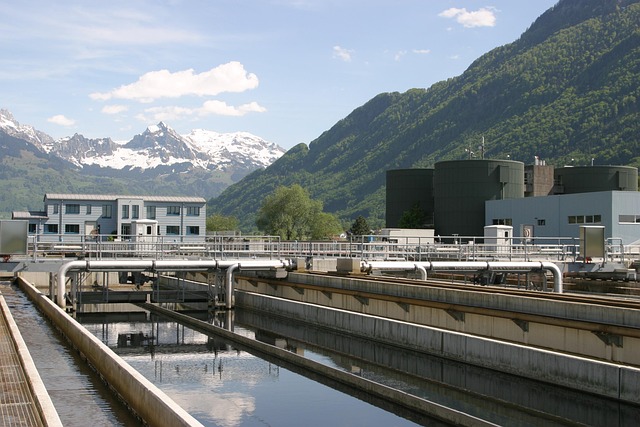
Swift action is critical for Denver sewage damage mitigation due to health risks and property harm. Key steps include: turning off water, evacuating, documenting, and contacting licensed professionals. Advanced assessment, containment, cleaning, and decontamination using eco-friendly methods ensure safe remediation. Regular maintenance prevents future incidents by addressing drain blockages and faulty pipes naturally. Comprehensive repair involves structural drying and deconstruction for severe cases, adhering to environmental standards. Preventative measures, like prompt cleanup and proper waste disposal, minimize reoccurrences, promoting a healthier Denver environment.
In the vibrant city of Denver, unforeseen events like sewage damage can disrupt homes and businesses, demanding swift and comprehensive Denver sewage remediation solutions. Prompt action is crucial to mitigate potential health risks and further damage. The complexity of these situations requires specialized knowledge for effective cleanup and restoration. This article delves into the intricacies of Denver sewage remediation, offering a detailed guide for both professionals and property owners facing this challenging task. By understanding the process and best practices, we empower ourselves to ensure thorough and safe denver sewage remediation.
- Understanding Denver Sewage Damage: Immediate Steps
- Assessment and Safety: Denver Sewage Remediation Process
- Restoration Techniques for Comprehensive Repair
- Preventing Future Issues: Natural Denver Sewage Cleanup Tips
Understanding Denver Sewage Damage: Immediate Steps

Understanding Denver Sewage Damage: Immediate Steps
Sewage damage in Denver, whether from flooding or pipe breaks, requires swift and professional intervention due to potential health risks and property degradation. The first 24 to 48 hours are critical for effective Denver sewage remediation. Prompt action can prevent the growth of mold, minimize structural damage, and reduce restoration costs significantly. Homeowners and business owners alike should familiarize themselves with immediate steps to take when faced with this emergency.
Immediate assessment is key. Begin by turning off the water supply at the main valve to curb further contamination. Evacuate affected areas and do not enter until proper ventilation and decontamination are ensured, especially if there’s visible sewage spillage or strong odors. Document damage thoroughly with photos for insurance claims. Then, contact a licensed Denver emergency sewage removal service. Professional technicians equipped with specialized gear will assess the extent of the damage, identify sources, and implement safe, effective remediation strategies tailored to your specific situation.
Denver sewage remediation involves several stages. Primary is containment and removal of standing water and visible debris. Following this, affected materials are thoroughly cleaned and disinfected using industry-approved methods to eradicate harmful pathogens and bacteria. Structural decontamination ensures that all surfaces, from walls to flooring, are safe for reuse. Finally, drying processes are employed to mitigate remaining moisture, reducing the risk of mold growth and further damage. Water Damage Restoration Denver services often incorporate advanced equipment like dehumidifiers and air movers to expedite drying times, which is crucial in preventing long-term issues.
Beyond immediate response, it’s vital to know that sewage remediation after flooding Denver or emergency sewage removal should be left to professionals. They have the expertise, resources, and safety protocols necessary to handle this complex process effectively while protecting both property and health. Regular maintenance, such as checking for leaks and updating plumbing systems, can also help prevent future sewage damage incidents.
Assessment and Safety: Denver Sewage Remediation Process
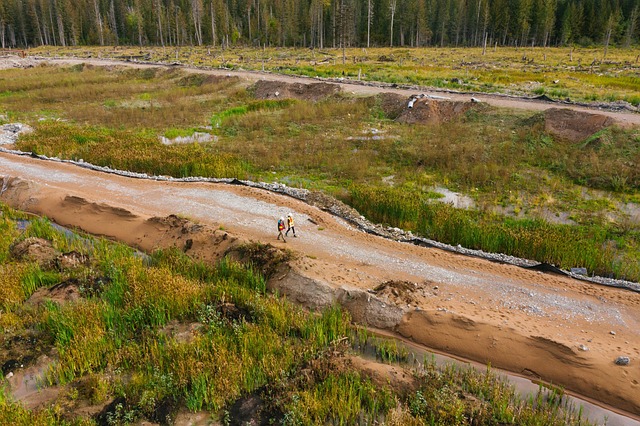
The initial step in any Denver sewage damage restoration process is thorough assessment and safety measures—a crucial aspect often overlooked but fundamentally critical to effective disaster recovery. Experts at ARC Restoration emphasize the need for a comprehensive evaluation following a sewage backup or leak to ensure the safety of occupants and prevent further contamination. This involves not only identifying the source and extent of the damage but also conducting risk assessments to mitigate potential health hazards associated with raw sewage.
Sewage cleanup Denver professionals employ advanced tools and techniques to detect moisture, identify contaminated areas, and assess structural integrity. These methods include infrared cameras, moisture meters, and air quality testing devices. Once the assessment is complete, a customized restoration plan is devised, prioritizing safety as the top priority. This may involve setting up containment zones, using specialized equipment for cleaning and decontamination, or implementing temporary solutions to stop the spread of sewage water until a full restoration can be accomplished.
For commercial properties, timely action is essential. According to industry reports, businesses that experience sewage damage face significant financial losses due to downtime, repairs, and potential legal liabilities. ARC Restoration’s team understands these pressures and offers prompt response times, ensuring minimal disruption to business operations. They employ eco-friendly cleaning methods and advanced restoration techniques that not only restore commercial spaces but also adhere to the latest industry standards in Denver sewage remediation naturally.
The process goes beyond physical cleanup; it involves rigorous testing and monitoring to ensure that all hazardous materials are removed safely. This includes bacteria, viruses, and other pathogens commonly found in sewage. By following strict protocols, ARC Restoration guarantees a safe environment for residents or employees returning to their premises after disaster recovery sewage cleanup Denver. Their expertise ensures that properties are restored not just visually but also hygienically, providing peace of mind for those affected by these unforeseen events.
Restoration Techniques for Comprehensive Repair

When it comes to Denver sewage damage restoration, comprehensive repair techniques are paramount for effective recovery. The initial step involves assessing the extent of the damage caused by sewage backup or leaks in both residential and industrial settings, a process facilitated by advanced moisture detection tools. In Denver’s urban landscape, where industrial activities and bustling infrastructure coexist, efficient sewerage management is crucial. Industrial facilities, for instance, often require specialized handling of toxic chemicals present in their waste, necessitating professional denver industrial sewage disposal methods.
Biohazard cleanup Denver is a critical aspect of sewage remediation, especially after catastrophic events or long-term seepage. Professional restoration teams employ stringent decontamination protocols using advanced disinfectants and steam cleaning to mitigate health risks associated with biohazard materials. For example, in 2021, Denver’s rapid response to a major sewer line break that inundated several blocks showcased the city’s preparedness in disaster recovery sewage cleanup. This incident highlighted the importance of pre-planned emergency protocols and state-of-the-art restoration equipment.
Restoration techniques for comprehensive repair include structural drying, which utilizes advanced heating and ventilation systems to expedite drying time while preventing mold growth. In severe cases, structural deconstruction and reconstruction may be required to address damage to underpinnings, flooring, and walls. The use of eco-friendly materials and Denver sewage remediation methods that adhere to strict environmental standards ensures a sustainable recovery process. For instance, some restoration companies now offer services utilizing green technology for water extraction and drying, further emphasizing the importance of environmentally responsible practices in an urban setting like Denver.
Preventing Future Issues: Natural Denver Sewage Cleanup Tips

Preventing future issues is a key component of comprehensive Denver sewage damage restoration. When faced with a city sewage emergency, it’s crucial to understand that quick response and proper techniques are paramount. Natural Denver sewage cleanup methods can significantly reduce the risk of recurring problems while ensuring effective disaster cleanup and restoration.
One of the primary steps in Denver sewage remediation naturally involves identifying and addressing the source of the issue. Sewage backups often stem from blocked drains or faulty pipes, requiring thorough inspection and maintenance. For instance, regular cleaning and inspection programs can prevent 80% of sewer line obstructions, according to a study by the National Sanitation Foundation. Property owners should also consider implementing preventive measures like installing catchers in drain pipes to trap solid debris.
Additionally, promoting proper waste disposal practices within the community plays a vital role in Denver sewage remediation naturally. Educating residents about what not to flush down the toilet—including non-biodegradable items and certain foods—can significantly reduce the likelihood of sewer line clogs. For example, grease traps should be installed in commercial kitchens to prevent fatty substances from entering the sewer system. By combining these natural methods with prompt disaster cleanup and restoration services, Denver can minimize the impact of sewage emergencies and ensure a healthier, more sustainable environment for its citizens.
In conclusion, this article has provided a comprehensive guide to Denver sewage remediation, offering crucial insights into understanding, assessing, and repairing sewage damage effectively. Key takeaways include the immediate need for action upon sewage intrusion, emphasizing safety as a top priority during the assessment phase. The step-by-step Denver sewage remediation process ensures thorough cleaning and sanitization. Restoring damaged areas involves advanced techniques tailored to specific issues. Moreover, preventing future problems is achievable through natural Denver sewage cleanup methods, highlighting the importance of proactive measures for long-term protection. Readers now possess valuable knowledge to navigate sewage damage scenarios, ensuring comprehensive repair and minimizing potential risks associated with Denver’s unique plumbing challenges.