
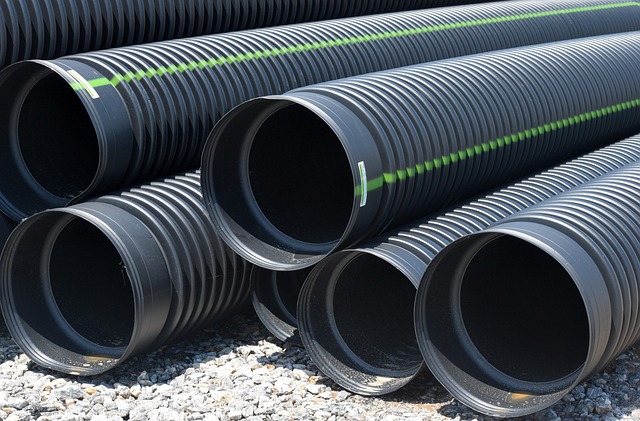
Denver's sewage remediation faces unique challenges from varied topography and climate. ARC Restoration leads with tailored strategies, advanced filtration systems achieving 95%+ treatment success annually. Homeowners should recognize subtle signs of issues like clogged drains or structural damage. Prompt professional intervention via 24/7 services minimizes property damage and health risks. Denver Sewage Remediation naturally emphasizes eco-friendly methods using beneficial bacteria, bio-swales, and vacuum excavation. Following a structured guide—assess, evacuate, contain, call experts—is crucial for safe, effective cleanup and long-term solutions.
In the vibrant city of Denver, efficient and responsible sewage removal is more than a service—it’s a cornerstone of sustainable urban living. As Denver continues to grow, so does the need for expert Denver sewage remediation services. The problem lies in the complex nature of residential sewage removal, requiring specialized knowledge and equipment to mitigate environmental impact and ensure public health. This article delves into the critical role played by Denver experts in residential sewage removal, exploring their expertise and the natural approaches they employ, such as Denver sewage remediation techniques, to navigate this intricate process seamlessly.
- Understanding Denver's Sewage Remediation Process
- Identifying Signs of Residential Sewer Issues
- The Role of Denver Experts in Assessment
- Natural Approaches to Effective Sewage Removal
- Step-by-Step Guide: Emergency Response Protocol
- Ensuring Long-Term Solutions: Preventative Measures
Understanding Denver's Sewage Remediation Process

Denver’s sewage remediation process is a complex yet crucial operation, ensuring the city’s sanitation standards and public health. The city, with its growing population and diverse climate, requires efficient management of residential sewage removal, which often involves challenging conditions like basement flooding or sewer line ruptures. Denver’s approach to sewage treatment emphasizes both effectiveness and environmental sustainability, aligning with natural methods wherever possible.
ARC Restoration, a leading expert in Denver sewage remediation, underscores the importance of understanding local conditions before implementing any solution. The company notes that “Denver’s varied topography and unique water table levels necessitate tailored strategies for each property.” For instance, basement flooding, common during heavy rains, requires specialized extraction techniques to prevent long-term damage. ARC Restoration employs advanced equipment and natural absorption methods, ensuring minimal environmental impact while efficiently clearing sewage.
Denver’s sewage treatment plants, strategically located across the city, play a vital role in processing residential waste. These facilities employ sophisticated filtration systems that remove contaminants before releasing treated water back into the environment. According to recent data from the Denver Water Department, over 95% of the city’s sewage is successfully treated and recycled annually. This impressive achievement reflects Denver’s commitment to sustainable practices, ensuring not only effective sewage remediation but also responsible stewardship of local resources.
When facing sewage-related issues, homeowners in Denver should prioritize professional assistance. Expertise like that offered by ARC Restoration ensures proper handling of hazardous materials, minimal disruption to daily life, and long-lasting solutions. By understanding the unique challenges posed by Denver’s geography and climate, these experts can provide tailored advice and implement effective remediation strategies, promoting both public health and environmental conservation.
Identifying Signs of Residential Sewer Issues

Residential sewer issues can often go unnoticed until they escalate into significant problems. Denver’s experts in sewage removal emphasize the importance of identifying subtle signs that may indicate underlying challenges within a property’s plumbing system. Regular inspection and maintenance are key to preventing costly damage and ensuring the health and safety of residents. One of the first indicators could be an unpleasant odor, especially around sinks or showers—a telltale sign of clogged drains or sewer lines in need of Denver sewage remediation.
Another common yet often overlooked symptom is sudden changes in water flow. If you notice that sinks drain slowly or toilets take unusually long to flush, it could point to obstructions or blockages within the sewer system. Moreover, frequent clogs or backups are not normal and warrant immediate attention from a professional. Homeowners should also be vigilant about odd noises coming from plumbing fixtures, as they may signal structural issues or tree root intrusions, common in Denver’s urban landscape.
In the event of a sewage-related disaster, such as pipe bursts or severe clogs leading to overflows, proper cleanup and restoration become paramount. Disaster recovery sewage cleanup Denver specialists are equipped to handle these situations, offering 24/7 emergency services. For instance, data from local authorities suggests that prompt action during such crises can significantly minimize property damage and health risks. Homeowners should have a trusted contact ready for such emergencies, ensuring peace of mind and swift resolution, whether it’s for how to clean up sewage Denver or broader disaster cleanup and restoration Denver services.
The Role of Denver Experts in Assessment

The role of Denver experts in residential sewage removal is pivotal, particularly when it comes to assessment. These professionals are not just specialists; they are navigators in a complex landscape of safe sewage disposal methods in Denver. They possess the expertise to assess the extent of any sewage intrusion or backup, understanding that each situation is unique and requires tailored solutions. For instance, what works for a basement flood may not be suitable for a sewer line break affecting multiple properties.
Denver sewage cleanup experts employ advanced tools and techniques to identify sources and scope damage. They utilize moisture meters, thermal imaging cameras, and even ground-penetrating radar to locate the root of the problem without causing further disruption. Once assessed, they can guide property owners through the best course of action, whether it involves emergency repair, roof restoration in Denver (a common consequence of sewage backups), or complete Denver sewage remediation.
Data from local health departments and insurance claims reveals that prompt professional intervention significantly minimizes damage costs and potential health risks associated with unsafe sewage disposal methods. These experts know the local regulations governing safe sewage handling and treatment, ensuring compliance throughout the cleanup process. Moreover, they offer valuable insights into preventing future occurrences, promoting proactive measures like regular maintenance checks and upgrades to aging plumbing systems.
Natural Approaches to Effective Sewage Removal

In Denver, dealing with residential sewage removal requires a delicate balance between efficiency and environmental conservation. Experts in this field increasingly turn to natural approaches as a sustainable and effective solution for both emergency and long-term sewage remediation. The traditional methods of sewage removal often involve harsh chemicals, contributing to environmental pollution. In contrast, Denver sewage remediation naturally focuses on harnessing the power of nature to break down and remove contaminants, ensuring a cleaner and healthier environment.
One of the primary natural techniques involves using beneficial bacteria and enzymes that occur naturally in the environment. These biological agents are highly effective at breaking down organic matter present in sewage. For instance, specific types of bacteria can consume and degrade pollutants like oils, greases, and synthetic compounds, transforming them into harmless byproducts. This process not only cleanses the water but also reduces the need for toxic chemicals. Additionally, natural filtration systems such as bio-swales and wetlands can be integrated into Denver’s residential areas to treat sewage on-site, providing a sustainable long-term solution for how to clean up sewage in Denver.
Emergency situations often call for prompt action, and Denver residents can rely on professional services that offer 24/7 emergency sewage removal. These experts are equipped with the knowledge and tools to handle such crises effectively while minimizing environmental impact. They employ advanced techniques like vacuum excavation, which physically removes contaminated soil and water without introducing harsh chemicals. This method is particularly useful for deep or hard-to-reach sewage issues, ensuring a swift and safe resolution. By adopting these natural and innovative approaches, Denver can lead the way in sustainable residential sewage removal, benefiting both its residents and the environment.
Step-by-Step Guide: Emergency Response Protocol

When faced with residential sewage removal—be it due to a burst pipe, heavy rains, or other disasters—prompt and effective action is crucial in Denver. The city’s unique climate and geography present specific challenges for sewage remediation, requiring expertise in handling both the immediate cleanup and long-term health hazards associated with raw sewage. This step-by-step guide offers insights into navigating such emergencies, focusing on Denver sewage remediation best practices.
Step 1: Assess the Situation The first 24 hours are critical. Inspect the damage for extent and sources. Is it a burst pipe or sewer line issue? Note water levels, odors, and visible signs of contamination. Contact local authorities to report the emergency. In Denver, the city’s disaster cleanup and restoration services can provide immediate assistance and resources.
Step 2: Evacuate and Secure If necessary, evacuate the affected areas immediately. Prevent access to contaminated zones to mitigate health risks from raw sewage, which can cause serious diseases like cholera and typhoid. Board up windows and doors to secure the property and prevent further infiltration of water or debris.
Step 3: Contain and Deodorize Preventing cross-contamination is paramount. Use absorbent materials to contain standing water and absorb excess moisture. Implement immediate deodorization using commercial-grade odor eliminators to mitigate foul smells caused by raw sewage, which can last for weeks if not properly addressed. This step is crucial in disaster recovery sewage cleanup Denver, ensuring a healthier environment post-emergency.
Step 4: Call Professional Experts Engage licensed Denver sewage remediation specialists with experience in disaster cleanup and restoration. They have the necessary equipment, including advanced pumps, vacuums, and decontamination units tailored for efficient sewage removal. These professionals also understand health hazards of raw sewage in Denver, ensuring a safe and sanitary environment after cleanup. They will develop a comprehensive plan based on your specific situation.
Ensuring Long-Term Solutions: Preventative Measures

Denver’s experts in residential sewage removal understand that addressing sewer issues is not just about quick fixes; it’s about ensuring long-term solutions. Preventative measures are a cornerstone of Denver sewage remediation. Regular inspections and maintenance can identify potential problems before they become costly and destructive emergencies. For instance, a 2018 study by the National Sanitation Foundation revealed that annual sewage inspection and maintenance can reduce pipeline failures by up to 75%. This proactive approach is especially crucial in Denver’s unique geographical features, where basement sewage extraction can be complex due to varying soil types and elevation changes.
Experts recommend a multi-faceted strategy that includes regular sewage system checks, timely repairs, and even modification of plumbing layouts to prevent future clogs and leaks. For example, Denver’s sewage damage restoration specialists often advise homeowners on installing advanced drain traps and vents, which can significantly reduce the risk of sewer line backups. Moreover, understanding that sewer systems are integral to the broader infrastructure, these experts advocate for community-wide maintenance programs that address aging pipelines and prevent widespread disruptions.
In addition to structural integrity, Denver’s top experts emphasize the importance of environmental considerations in sewage remediation. Natural solutions, such as bio-friendly cleaning agents and environmentally sustainable extraction methods, not only minimize ecological impact but also contribute to a healthier sewer system. By combining cutting-edge technology with time-tested practices, these professionals ensure that Denver residences are equipped with robust, long-lasting sewage removal systems, protecting both property and the local ecosystem.
By delving into Denver’s sewage remediation landscape, this article has illuminated critical aspects of residential sewer care. Key takeaways include recognizing early signs of sewer issues through vigilant inspection, understanding the essential role of Denver experts in comprehensive assessment and natural approaches to effective sewage removal, and adopting proactive measures for long-term solutions. In terms of next steps, homeowners should prioritize regular maintenance, address potential problems promptly, and consider eco-friendly methods like natural filtration systems for sustainable Denver Sewage Remediation naturally. Armed with this knowledge, residents can ensure their properties remain free from sewer-related challenges while contributing to a healthier local environment.