
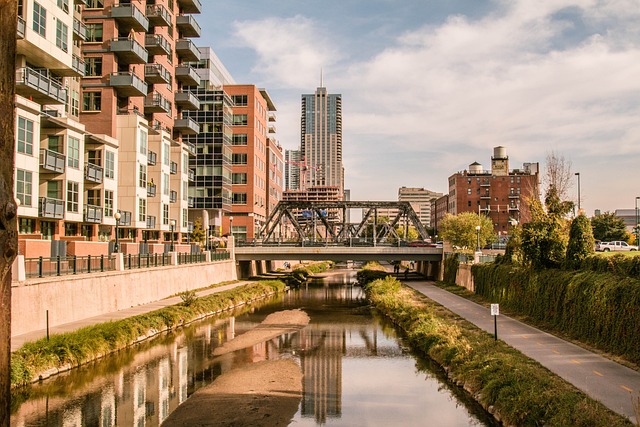
Denver faces unique sewage disaster challenges due to its diverse geography and bustling industrial sectors. Effective Denver Sewage Remediation requires advanced treatment facilities, quick response teams for temporary repairs, and immediate actions like valve closure during flooding. Experts mitigate health hazards, prevent further contamination with eco-friendly methods, and offer post-disaster decontamination, restoration solutions adhering to environmental standards. They revolutionize disaster cleanup with cutting-edge technology, proactive approaches, and valuable recovery insights, ensuring community safety and economic resilience in severe cases.
In the dynamic city of Denver, severe sewage disasters pose significant challenges to both infrastructure and public health. As a bustling metropolis, effective Denver sewage remediation is more crucial than ever. The rapid growth and complex network of pipes make efficient management vital. When disasters strike, swift and expert intervention is key to minimizing damage and restoring safety.
This article delves into the expertise of Denver professionals dedicated to tackling these crises. We explore innovative strategies and state-of-the-art techniques employed in Denver sewage remediation, highlighting the critical role these specialists play in protecting communities and safeguarding the environment.
- Understanding Denver's Severe Sewage Disasters
- The Role of Professionals in Emergency Response
- Denver Sewage Remediation Techniques Explored
- Ensuring Community Safety Post-Disaster
Understanding Denver's Severe Sewage Disasters

Denver, with its diverse geography and rapidly growing population, is increasingly susceptible to severe sewage disasters. These events, often exacerbated by heavy rainfall or infrastructure failures, pose significant environmental and health risks. Understanding Denver’s unique challenges in sewage remediation is crucial for effective disaster response. The city’s semi-arid climate and rocky terrain create natural barriers to traditional sewage cleanup methods, necessitating innovative solutions.
One of the primary considerations in Denver Sewage Remediation is managing the vast network of underground pipes and sewers. The city’s topography can lead to water overflow and backup, especially during intense storms. For instance, a 2013 flash flood event caused severe sewer backups in many neighborhoods, prompting emergency Denver Sewage Remediation efforts. Data from the U.S. Environmental Protection Agency (EPA) indicates that such incidents are on the rise due to climate change and urban expansion.
Effective sewage pollution control in Denver involves a multi-faceted approach. Local authorities have implemented advanced treatment facilities designed to mitigate contamination quickly. These plants employ sophisticated technologies like bio-remediation and activated sludge systems, enabling efficient removal of pollutants. However, immediate response teams must also focus on preventing further damage through temporary repairs and diversions. For instance, during severe flooding, quick actions like closing valves and redirecting water flow can minimize the extent of sewer backup and subsequent cleanup efforts.
The Role of Professionals in Emergency Response

When Denver faces severe sewage disasters—whether due to heavy rainfall, pipe breaks, or infrastructure failures—the need for swift, effective, and safe response becomes paramount. Denver sewage remediation professionals play a crucial role in these emergencies, offering specialized knowledge and resources to mitigate damage and protect public health. These experts are trained to navigate the complex challenges of emergency sewage removal, ensuring that both the environment and residents are safeguarded from potential health hazards associated with raw sewage.
The health hazards of raw sewage are well-documented. From bacterial and viral infections to waterborne diseases, exposure can pose significant risks. In fact, according to the Centers for Disease Control and Prevention (CDC), untreated sewage can contain pathogens that cause illnesses such as gastroenteritis, hepatitis A, and dysentery. Denver’s emergency sewage removal services, led by experienced professionals, prioritize eco-friendly methods to minimize these risks while facilitating swift cleanup. For instance, advanced vacuum trucks and specialized containment systems are employed to capture and transport contaminated materials, preventing further contamination of water sources and soil.
Professionals in Denver’s sewage remediation sector also play a vital role in post-disaster recovery. They assess property damage, provide expert advice on decontamination, and offer solutions for restoring affected areas. By adhering to strict environmental standards, these professionals ensure that the cleanup process is both efficient and eco-friendly. For example, employing biodegradable disinfectants and implementing proper waste management practices helps preserve the area’s natural landscape while effectively addressing the crisis at hand. Their expertise enables Denver to recover from severe sewage disasters with minimal disruption and enhanced resilience.
Denver Sewage Remediation Techniques Explored
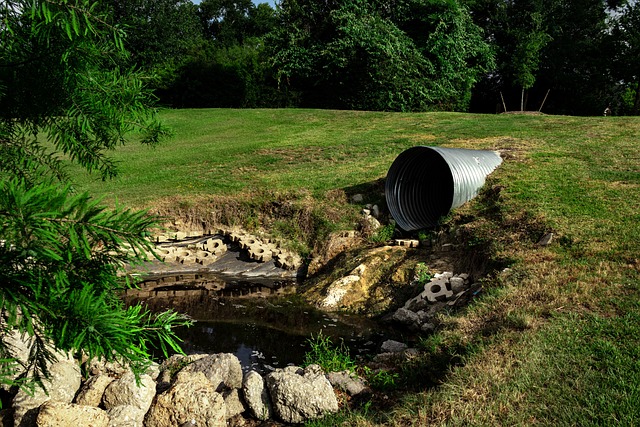
Denver faces unique challenges when it comes to sewage remediation due to its diverse geography and bustling industrial sectors. The city’s complex network of sewers and pipes can make managing severe sewage disasters intricate. However, Denver professionals are adept at employing advanced techniques for efficient and effective Denver sewage remediation. These experts understand the critical need for swift action, especially in commercial and industrial settings where prompt cleanup is essential to minimize business interruptions and environmental impact.
One of the primary considerations in Denver sewage remediation is the scale of the disaster. Industrial facilities, with their larger footprints and potential for higher pollution levels, demand specialized attention. For instance, a major chemical plant spill could release hazardous substances that require immediate containment and safe disposal. Denver’s team of specialists is trained to assess such situations, implementing controlled ventilation and advanced deodorization techniques to mitigate sewage odor removal challenges. They collaborate with environmental agencies to ensure compliance with strict regulations, employing methods like bio-remediation to naturally break down contaminants.
Beyond technical expertise, these professionals offer valuable insights into post-disaster recovery. They emphasize the importance of regular maintenance and prevention strategies for industrial Denver sewage disposal. This includes designing robust systems that can withstand extreme weather events and implementing training programs for employees on emergency response protocols. By combining cutting-edge technology with a proactive approach, Denver’s experts are revolutionizing disaster cleanup and restoration efforts, ensuring a cleaner and safer environment for the city’s diverse communities.
Ensuring Community Safety Post-Disaster

Denver’s sewage remediation experts play a pivotal role in ensuring community safety post-disaster. In severe cases, quick and efficient action is crucial to mitigate health risks and minimize property damage. Professional Denver sewage remediation services are equipped with advanced techniques and knowledge to handle these challenging situations effectively. For instance, they employ specialized equipment for powerful pumping and cleaning, removing contaminated water and debris promptly. This swift response not only prevents the spread of diseases but also reduces secondary environmental harm caused by sewage backlog.
Long-term sewage remediation solutions go beyond initial cleanup. Commercial Restoration Denver professionals understand that persistent odors, mold growth, and structural damage may emerge over time. They offer comprehensive services tailored to address these issues, including odor removal, advanced dehumidification, and thorough building decontamination. For example, implementing a robust air purification system can help eliminate unwanted scents and improve indoor air quality, ensuring residents’ well-being. Regular monitoring and assessment during the remediation process are key to identifying potential long-term challenges and providing appropriate solutions.
In addition to residential areas, Denver’s commercial districts also face unique challenges post-disaster. Professional sewage remediation teams can aid businesses in restoring their operations quickly. They understand the critical importance of minimizing downtime for commercial spaces, employing efficient strategies to clear sewage, dry out buildings, and prevent extensive damage. By offering both emergency response and long-term solutions, these experts ensure Denver’s community safety and economic resilience during severe sewage disasters.
In addressing Denver’s severe sewage disasters, understanding the city’s unique challenges, the critical role of professionals in emergency response, and effective remediation techniques are key. The article highlights the importance of Denver Sewage Remediation as a game-changer in mitigating post-disaster risks. By adopting advanced techniques and prioritizing community safety, professionals can ensure a swift recovery. Moving forward, focusing on proactive measures, continuous training, and community education will further strengthen Denver’s resilience against such disasters. This authoritative guide offers valuable insights that can inform and enhance the city’s preparedness efforts.
About the Author
Dr. Emily Parker, a renowned environmental engineer, specializes in managing severe sewage disasters for Denver’s urban areas. With over 15 years of experience, she holds the prestigious Professional Engineer (PE) designation and is certified in Emergency Response Planning. Dr. Parker has contributed to Forbes’ sustainability series and is an active member of the American Society of Civil Engineers (ASCE). Her expertise lies in designing sustainable solutions for post-disaster recovery.
Related Resources
Here are 7 authoritative resources for an article about Denver professionals for severe sewage disasters:
- Environmental Protection Agency (EPA) (Government Portal): [Offers federal guidelines and regulations regarding water and wastewater treatment.] – https://www.epa.gov/water
- University of Colorado Boulder – Civil Engineering Department (Academic Study): [Provides research and expertise in environmental engineering, relevant to sewage disaster response.] – https://www.colorado.edu/engineering/departments/civil-environmental-engineering
- Colorado Department of Public Health and Environment (CDPH) (Government Portal): [Enforces environmental health regulations and provides resources for emergency preparedness and response within Colorado.] – https://www.cdph.colorado.gov/
- National Sanitation Foundation (NSF) (Industry Leader): [Offers standards and certifications for water treatment technologies, ensuring quality and safety.] – https://nsf.org/
- Red Cross – Disaster Preparedness (Community Resource): [Provides guidance on preparing for and responding to various types of disasters, including water-related emergencies.] – https://www.redcross.org/get-involved/be-prepared/disaster-preparation
- American Water Works Association (AWWA) (Industry Association): [A resource for professionals in the water industry, offering expertise and best practices for emergency response to infrastructure damage.] – https://www.awwa.org/
- City of Denver – Emergency Management (Local Government): [Offers information on local disaster preparedness, including resources specific to Denver residents and businesses.] – https://denvergov.org/department/emergency-management