

Denver businesses face unique sewage remediation challenges due to diverse climate. Key actions include:
1. Implement emergency response plan with reputable companies.
2. Address roof damage from water intrusion.
3. Conduct regular roof inspections.
4. Thorough initial assessment using advanced methods to pinpoint contamination sources.
5. Tailor strategies for minimal disruption, preserving property value and public health.
6. Emphasize eco-friendly approaches, like bio-remediation and physical/chemical treatments.
7. Timely action: remove contaminated materials, disinfect surfaces, address plumbing issues.
8. Document and backup data for swift post-remediation resumption.
9. Open communication during recovery to maintain trust.
Denver Sewage Remediation naturally combines these steps for efficient, effective recovery while preserving the city's environmental health.
In the bustling landscape of Denver, business owners face a persistent challenge: sewage remediation. This critical issue can disrupt operations, damage property, and pose health risks. Effective Denver Sewage Remediation is essential for maintaining a thriving business environment. The problem arises from various sources, including aging infrastructure, heavy rainfall, and unexpected surges in wastewater. However, advanced remediation techniques offer a robust solution. This article delves into the intricacies of commercial sewage remediation, providing authoritative insights that empower businesses to navigate this complex issue with confidence.
- Understanding Denver Sewage Remediation Needs for Businesses
- Assessment: Identifying Sources and Extent of Contamination
- Natural Solutions: Effective, Eco-Friendly Cleanup Strategies
- Restoring Operations: Post-Remediation Business Recovery Tips
Understanding Denver Sewage Remediation Needs for Businesses

Denver businesses face unique challenges when it comes to sewage remediation, often requiring swift and expert intervention. Understanding the specific needs for Denver sewage remediation is paramount for effective disaster cleanup and restoration. The city’s diverse climate, from snowy winters to hot summers, can accelerate water damage and create complex conditions for restoration professionals. For instance, heavy snowmelt can overwhelm drainage systems, leading to sewer backups that cause extensive property damage.
Sewage damage restoration Denver requires a multifaceted approach. Firstly, businesses should have a well-defined emergency response plan, including contact details of reputable Disaster Cleanup and Restoration companies specialized in sewage remediation. Rapid response is crucial; the longer sewage remains untreated, the greater the potential for mold growth, bacterial contamination, and structural deterioration. These issues can significantly impact air quality and employee health, leading to costly downtime and legal liabilities.
Roof Restoration Denver is another critical aspect often intertwined with sewage damage. Leaking roofs, damaged by sewage or subsequent water infiltration, require professional repair and restoration. Moisture intrusion can weaken structural elements, compromising the entire building envelope. Businesses should invest in regular roof inspections and maintenance to prevent such issues and ensure a swift resolution when facing sewage-related challenges, minimizing downtime and promoting a safe work environment.
Assessment: Identifying Sources and Extent of Contamination
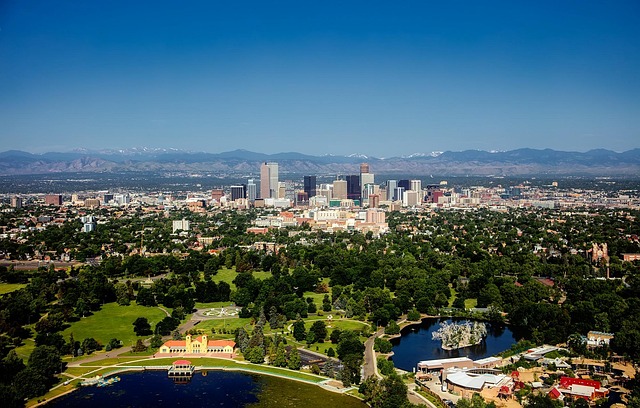
Effective Denver sewage remediation for businesses begins with a thorough assessment to identify the sources and extent of contamination. This initial step is critical as it guides the entire remediation process, ensuring that every effort is targeted and efficient. Advanced Restoration Colorado, specialists in remediating sewage contamination Denver, employ sophisticated methods to assess affected areas. These include advanced moisture meters, gas detectors, and sampling techniques that analyze water quality and identify hazardous substances present.
For instance, a recent project involved a commercial building where a burst pipe led to significant sewage backup. Through meticulous assessment, our team discovered not only the immediate contamination but also hidden areas of mold growth behind walls and under flooring. This comprehensive understanding allowed for tailored remediation strategies, including specialized cleaning, decontamination, and replacement of affected materials.
Data from past projects underscores the importance of this step. Studies show that without proper source identification, up to 70% of remediation efforts can be ineffective, leading to recurring issues and increased costs. Conversely, accurate assessments reduce unnecessary work, minimize disruption, and ensure a successful Denver sewage remediation outcome, ultimately preserving property value and protecting public health.
Natural Solutions: Effective, Eco-Friendly Cleanup Strategies

Denver sewage remediation naturally focuses on eco-friendly strategies for businesses facing this critical challenge. In a city like Denver, where environmental stewardship is paramount, restoration services that prioritize sustainability are essential. Natural solutions to sewage remediation not only minimize ecological impact but also address the health hazards associated with raw sewage, which can pose significant risks to both human and environmental well-being.
One effective approach involves the use of bio-remediation techniques. Microorganisms like bacteria and fungi are deployed to break down pollutants naturally. For instance, certain types of bacteria can consume and degrade toxic compounds found in sewage, transforming them into harmless byproducts. This method not only cleans the water but also fosters a healthier aquatic ecosystem. Denver’s diverse environmental landscape allows for these natural processes to thrive, making bio-remediation a viable and sustainable option for many cases of sewage pollution control.
Additionally, physical and chemical treatments play complementary roles in Denver sewage remediation naturally. Physical methods like filtration and sedimentation remove solids and impurities from the water. Chemical treatments, such as neutralization and disinfection, target specific contaminants and pathogens. When combined with bio-remediation, these strategies create a robust, multi-faceted approach to cleaning up sewage pollution. For businesses, this means not only restoring their operations but also contributing positively to the city’s environmental health. By adopting these natural solutions, Denver can continue its path towards effective sewage remediation while preserving its unique and vibrant ecosystem.
Restoring Operations: Post-Remediation Business Recovery Tips

After a sewage disaster strikes, Denver businesses face significant challenges to restore operations and reclaim their spaces. Effective Denver sewage remediation is more than just cleaning up the mess; it involves meticulous steps to ensure safe and efficient recovery. Advanced Restoration Colorado, a leading provider of water damage restoration Denver services, emphasizes that timely action and professional expertise are crucial for minimizing business disruptions.
The first step in restoring operations is assessing the extent of the damage caused by sewage backup or overflow. Disaster Cleanup and Restoration Denver specialists inspect affected areas to identify potential health hazards and structural damage. This critical phase determines the remediation strategy, focusing on removing contaminated materials, disinfecting surfaces, and addressing any plumbing issues. For example, a thorough inspection might reveal mold growth behind walls or floors, necessitating specialized equipment and techniques for safe removal. Once the immediate dangers are mitigated, the team can begin the process of restoring the business environment to its pre-disaster condition.
Business owners should be prepared with detailed documentation and backup systems to streamline post-remediation recovery. Regular data backups, digital records of important documents, and cloud storage ensure that operations can resume swiftly. Moreover, having an emergency plan in place, including contact information for reliable Denver sewage remediation companies like Advanced Restoration Colorado, can significantly aid in a swift return to normalcy. It’s also advisable to communicate openly with employees and customers about the incident and recovery process to maintain trust and support throughout the challenging period.
Denver Sewage Remediation naturally offers businesses a comprehensive approach to addressing critical environmental challenges. By understanding the unique needs of commercial properties, conducting thorough assessments to pinpoint contamination sources, and adopting eco-friendly cleanup strategies, businesses can effectively mitigate damage. Leveraging natural solutions not only ensures a healthier environment but also supports long-term operational resilience. Following remediation, practical steps like implementing robust maintenance programs and prioritizing staff training facilitate successful business recovery. This multi-faceted approach, as highlighted in this article, positions Denver businesses for sustained success while upholding environmental stewardship.