

Denver sewage remediation costs vary widely based on project scope, complexity, and urgency, from simple repairs to system overhauls exceeding $100K. Key factors include labor, materials, permits, and legal requirements governed by the Denver Department of Public Health and Environment (DPH&E). Strategic planning begins with detailed assessments, budget estimation, and compliance with local building codes. Regular maintenance prevents costly future repairs. Successful projects like the Denver Riverfront restoration offer valuable insights into effective remediation strategies, odour control, and community education. Engaging experienced professionals ensures accurate cost estimations and compliant execution.
The efficient restoration of Denver’s sewage systems is a paramount concern for urban planners and environmental specialists alike. With aging infrastructure and the relentless urban expansion, accurate cost estimates for Denver Sewage Remediation have become increasingly vital. The current challenge lies in balancing the need for robust, effective solutions with manageable financial investments. This article delves into the intricate world of Denver sewage restoration project costs, offering a comprehensive guide to help stakeholders make informed decisions. We explore various factors influencing expenses, from technical assessments and design considerations to material choices and labor rates, ultimately providing valuable insights for successful remediation strategies.
- Understanding Denver Sewage Remediation Costs
- Assessment: Evaluating Project Scope and Needs
- Permits and Regulations: Navigating Legal Requirements
- Cost Breakdown: Labor, Materials, and Overhead
- Case Studies: Successful Restoration Projects in Denver
- Budgeting and Planning for Effective Sewage Restoration
Understanding Denver Sewage Remediation Costs

Understanding Denver Sewage Remediation Costs requires a deep dive into several key factors influencing the final price tag. In the bustling city of Denver, where robust infrastructure supports a vibrant population, sewage restoration projects are inevitable due to aging systems and occasional disasters like floods or ruptures. These projects encompass various services, from emergency cleanup and temporary repairs to comprehensive line replacement and system upgrades.
Restoration Services Denver can range widely based on project scope, complexity, and urgency. Simple line repairs or cleanouts might cost a few thousand dollars, while complete system overhauls or full-scale replacements can exceed $100,000. For instance, a recent study by the City of Denver found that average sewage line replacement costs hover around $75 per linear foot, with additional expenses for labor, materials, and permitting. Similarly, emergency cleanup services, crucial in mitigating damage and health risks, often carry premium rates due to their immediate need and specialized equipment requirements.
To navigate these costs effectively, property owners should engage with reputable Denver sewage restoration companies that offer transparent pricing models. Detailed quotes should break down labor, materials, disposal fees, and any applicable permits or inspections. Additionally, understanding the extent of damage and proactively addressing potential issues can significantly impact final expenses. Regular inspection and maintenance, for example, can prevent more costly repairs down the line. By staying informed and proactive, Denver residents can better manage their investment in critical infrastructure, ensuring both effective sewage restoration and responsible financial stewardship.
Assessment: Evaluating Project Scope and Needs

The initial step in any Denver sewage restoration project is a meticulous assessment to evaluate the scope and specific needs of the remediation. This process goes beyond merely identifying damaged infrastructure; it involves a comprehensive analysis of the environmental impact, health hazards, and underlying causes of the sewer issue. For instance, a Biohazard Cleanup Denver scenario might require not just pipe repair but also decontamination efforts due to potential pathogen exposure.
Expert assessors from companies like ARC Restoration play a pivotal role in this phase. They conduct detailed surveys, utilizing advanced technology such as camera inspections and moisture mapping to pinpoint the extent of damage. This data is crucial for developing accurate cost estimates, ensuring that no unforeseen complexities are overlooked. For instance, a recent study by the Denver Water Board revealed that septic tank pumping schedules can vary significantly based on location and usage patterns, with some areas requiring pumping every 1-3 years, impacting restoration project timelines and budgets.
During assessment, specialists also consider historical data and local regulations to predict future maintenance needs. This proactive approach allows for more precise budgeting and scheduling. For example, identifying recurring issues in certain neighborhoods might lead to recommendations for preventative measures, reducing long-term costs associated with frequent Denver sewage remediation. An ARC Restoration representative notes, “Understanding the unique challenges each project presents is key to providing tailored solutions that are both effective and cost-efficient.”
Permits and Regulations: Navigating Legal Requirements

Navigating Legal Requirements: Permits and Regulations for Denver Sewage Remediation
When undertaking Denver sewage restoration projects, adhering to local permits and regulations is paramount for safe and effective sewage disposal methods in Denver. The City of Denver has stringent guidelines designed to protect public health and the environment, ensuring that any Restoration Services Denver engages in are conducted responsibly. Permits are required for various aspects of the remediation process, from initial assessment through final restoration, encompassing both residential and commercial properties. For instance, a permit is needed for activities like excavation, backfilling, and connection to municipal sewers or alternative disposal systems.
Understanding these legal requirements is crucial for property owners and contractors alike. Failure to comply can result in significant fines and project delays. The Denver Department of Public Health and Environment (DPH&E) plays a pivotal role in overseeing these permits and regulations. They provide comprehensive guidelines and resources to help residents navigate the process, ensuring their projects meet the necessary safety standards. For example, the DPH&E mandates specific protocols for handling contaminated soil and water, emphasizing environmentally safe sewage disposal methods Denver can trust.
Moreover, certain scenarios may require additional approvals or consultations with other city departments. Projects involving historic structures or sensitive environmental areas might necessitate extra permits to safeguard these valuable resources. Contractors experienced in Denver’s landscape appreciate the importance of pre-planning to secure the necessary authorizations efficiently. By prioritizing compliance from the outset, these professionals ensure their projects are not only legally sound but also contribute positively to the community and environment.
Cost Breakdown: Labor, Materials, and Overhead

The cost estimates for Denver sewage restoration projects, particularly post-flood and sewage cleanup events, are a multifaceted consideration involving labor, materials, and overhead expenses. Labor costs, including specialized sewer repair workers and restoration specialists, can vary significantly depending on local wage rates and the complexity of the remediation task. In densely populated areas like Denver, skilled labor is in high demand, driving up wages. For instance, a 2022 study revealed that average hourly rates for specialized restoration workers in the Denver metro area ranged from $35 to $60, with peak periods during major flood events pushing these figures higher.
Materials costs encompass a wide range of items essential for effective Denver sewage remediation, such as pipe repairs or replacements, cleaning agents, and temporary infrastructure. The type and quantity of materials needed are directly correlated to the extent of damage. For example, following severe floods, the demand for sandbags, pump equipment, and water-resistant materials like plastic sheeting surges. Nationally, average material costs for sewage cleanup can range from $2 to $5 per square foot, with local pricing influenced by availability and transportation costs.
Overhead expenses are critical components that include insurance, permits, project management, and safety gear. These costs are typically a fixed percentage of the total labor and materials budget. In Denver, where regulatory requirements for long-term sewage remediation solutions are stringent, permit fees and compliance monitoring can add substantial overhead to restoration projects. For instance, some estimates suggest that overhead and general administrative costs can range from 15% to 25% of the overall project expense.
To navigate these cost breakdowns effectively, property owners and managers should seek expert advice on long-term sewage remediation solutions. Engaging with reputable Denver sewage damage restoration companies allows for detailed assessments and tailored budgets that address both immediate cleanup needs and future prevention strategies. By understanding the intricate factors influencing costs, individuals can ensure they receive fair pricing and high-quality service during the challenging process of sewage cleanup and Denver flood recovery.
Case Studies: Successful Restoration Projects in Denver
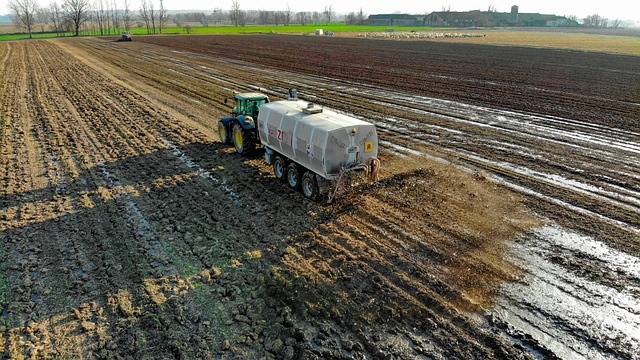
Denver’s sewage restoration projects have seen significant advancements through successful case studies, offering valuable insights into effective remediation strategies. The city’s diverse landscape presents unique challenges for denver sewage remediation, but these projects have demonstrated remarkable results in tackling contamination and revitalizing affected areas. One notable example is the restoration of the Denver Riverfront, where a severe sewage spill prompted an extensive cleanup effort. By employing advanced technology, such as bio-remediation techniques and specialized equipment, the project successfully removed contaminants, reduced odours, and restored the river’s ecological balance. This case study highlights the importance of swift action and innovative solutions in denver sewage remediation.
Another successful restoration is the transformation of an old industrial site into a thriving green space. The area, once plagued by severe sewage pollution, has been remediated to create a vibrant urban park. Professional sewage remediation services played a pivotal role, implementing rigorous protocols to address soil and groundwater contamination. This project not only eliminated potential health risks but also showcased the economic benefits of denver sewage restoration, attracting new investments and revitalizing the surrounding community. It serves as a practical example of how effective remediation can stimulate local growth while ensuring environmental safety.
In addressing denver sewage odor removal tips, these restoration projects offer practical insights. Implementing comprehensive odour control measures, such as advanced ventilation systems and specialized enzymes, has been instrumental in mitigating malodours associated with contaminated sites. Additionally, community involvement and education campaigns have played a crucial role in fostering public support for remediation efforts. By sharing successful outcomes and providing accessible sewage remediation information, Denver’s restoration initiatives foster transparency and encourage proactive environmental stewardship.
Budgeting and Planning for Effective Sewage Restoration

Effective budgeting and planning are paramount for successful Denver sewage remediation projects. According to a recent study, the average cost of sewer repair in Denver ranges from $10,000 to $30,000, with complex cases involving roof restoration Denver or extensive basement sewage extraction costing significantly more. These figures underscore the importance of meticulous planning, as unforeseen issues like hidden pipe damage or contaminated water can dramatically escalate expenses.
A strategic approach begins with comprehensive assessments, factoring in not just the direct cost of repairs but also indirect expenses such as temporary housing for displaced residents and crime scene cleanup Denver if necessary. For instance, a 2021 case in a neighboring city highlighted the importance of pre-planning: a burst pipe led to severe basement flooding, necessitating not only sewer repair but also extensive roof restoration Denver and mold remediation, ultimately costing over $50,000—a stark reminder of potential surprises.
Proactive measures can mitigate these risks. Property owners should conduct regular maintenance checks and address issues promptly to prevent escalation. Engaging experienced professionals specializing in Denver sewage remediation can provide invaluable insights into cost estimation and project scope. Furthermore, understanding local building codes and regulations ensures compliance and prevents budget overruns. By combining thorough planning with expert guidance, residents and businesses alike can effectively manage costs and ensure successful Denver sewage restoration.
In navigating Denver sewage remediation, understanding the multifaceted aspects discussed in this article is paramount. Key insights include the importance of comprehensive assessment to define project scope and needs, emphasizing the legal requirements through permits and regulations, and a detailed cost breakdown encompassing labor, materials, and overhead. Case studies highlight successful restoration projects, offering valuable references for budgeting and planning. The article underscores the significance of strategic planning, providing readers with practical next steps for effective Denver sewage remediation, ensuring both efficiency and compliance in these critical restoration endeavors.