

Denver’s sewer system faces unique challenges from its intricate network and hilly geography, leading to backups caused by root intrusions, pipe corrosion, and blockages. To prevent costly issues, homeowners should:
– Schedule regular maintenance and inspections by Denver sewage remediation services.
– Avoid non-biodegradable flushes and professional cleanouts.
– Implement proactive measures like grass buffers and root-inhibiting materials.
– Promptly respond to backups with specialized Denver sewage cleanup teams for efficient decontamination.
Denver Sewage Remediation Naturally: Focus on using native plants, microbial communities, and proper drainage systems to restore water quality, enhance soil health, and reduce sewer backups cost-effectively and sustainably.
In Denver, where bustling urban landscapes meet the occasional challenge of sewage backup, proactive measures are crucial for homeowners seeking to safeguard their properties. Understanding the causes behind these incidents is the first step towards effective prevention. This article provides an in-depth guide to help Denver residents mitigate risks and navigate the complexities of sewage remediation naturally. By implementing practical tips tailored to the local environment, homeowners can minimize the likelihood of sewer backups, ensuring a cleaner, more secure living space. Discover expert insights into preventing and managing this common yet distressing issue, fostering a healthier home environment without relying heavily on traditional methods.
- Understanding Denver’s Unique Sewer System
- Identifying Common Causes of Sewer Backups
- Implementing Prevention Measures at Home
- Best Practices for Regular Maintenance Checks
- Denver Sewage Remediation: Natural Solutions for Homeowners
Understanding Denver’s Unique Sewer System

Denver’s sewer system presents unique challenges for homeowners due to its intricate network and specific geographical considerations. Understanding this system is crucial for preventing sewer backups, a common yet costly issue in the area. The city’s topography, characterized by hills and diverse soil types, influences water flow patterns and can lead to congestion in the sewer lines. For instance, certain neighborhoods with steep inclines may experience increased pressure on the sewer system, potentially causing blockages or overflows during heavy rainfall events. Homeowners should be aware that traditional prevention methods might require adjustments to accommodate these unique geographical factors.
One of the primary steps in mitigating sewer backup risks is to ensure proper maintenance and inspection routines. Regular checks by professional Denver sewage remediation services can identify potential issues before they escalate. This includes examining pipes for signs of damage, corrosion, or tree root intrusion—common causes of clogs in older systems. For instance, a study by the City of Denver’s Public Works Department revealed that 40% of sewer backup incidents were due to root intrusions, emphasizing the need for proactive measures. Homeowners can also contribute to prevention efforts by avoiding flushing non-biodegradable materials and scheduling regular professional cleanouts, especially in older homes with concrete pipes.
In the event of flooding or sewage damage, timely response is essential. Quick action can prevent extensive remediation needs later. Denver’s climate brings varying weather patterns, including heavy rains that may lead to sewer system overload. When facing sewage backup, it is advisable to contact specialized Denver sewage cleanup and restoration teams immediately. They employ advanced equipment for efficient water removal and contaminated material decontamination, ensuring a safer, healthier environment. Regular knowledge of how to clean up sewage in Denver and the surrounding areas is vital for homeowners, as prompt action can significantly reduce the impact of such incidents.
Identifying Common Causes of Sewer Backups

Sewer backups are a common problem for Denver homeowners, causing significant property damage and health risks. Understanding the root causes of these incidents is essential in preventing them. The primary culprits behind sewer backups in this region often include tree root intrusions, pipe corrosion, blockages from foreign objects, and settling soil. For instance, the dense clay soil typical in Denver can exert pressure on ancient, fragile pipes, leading to cracks or collapses that facilitate backup. Moreover, the constant growth of nearby roots from trees and shrubs can infiltrate pipes, causing obstructions that result in sewage flowing back into homes instead of away from them.
Advanced Restoration Colorado experts emphasize the critical need for regular maintenance and inspection to avoid such backups, especially considering the challenging Denver climate and soil conditions. Homeowners should invest in camera inspections to visually assess pipe health and detect potential issues early on. Preventative measures like planting a buffer zone of grass or shrubs away from sewer lines and using root-inhibiting materials can also be effective strategies. In cases where tree roots have already invaded pipes, professional Denver sewage remediation services are essential for safely and thoroughly removing the roots without damaging pipes further.
When a sewer backup occurs, prompt action is crucial. Homeowners should contact Advanced Restoration Colorado for efficient and effective flood and sewage cleanup services. Our team brings extensive experience to contain and clean up such incidents, minimizing damage and ensuring a healthy environment within your home. Regular maintenance, proactive measures, and swift response when backups do occur are the keys to protecting your property and peace of mind in this challenging landscape.
Implementing Prevention Measures at Home

Best Practices for Regular Maintenance Checks

Regular maintenance checks are a crucial aspect of preventing sewer backups for Denver homeowners. A study by the City of Denver’s Public Works Department reveals that approximately 70% of sewer backup incidents could have been avoided through proper upkeep. One of the best practices is to schedule annual inspections with certified professionals who can assess your sewage system and identify potential issues, such as corroded pipes or blockages caused by tree roots. During these checks, experts can also perform a camera inspection, providing visual data for pinpointing problem areas.
In between professional visits, homeowners should engage in routine maintenance tasks like clearing grates of debris and checking for leaks around fixtures and appliances. It’s essential to stay vigilant about what goes down the drain; avoid disposing of grease, coffee grounds, and large food particles, as these can congeal and clog pipes. Additionally, Denver sewage remediation services recommend using drain covers to prevent hair, lint, and other small items from entering the system.
Beyond individual responsibility, proactive measures by the community are vital for Denver’s overall sewage pollution control. This includes proper disposal of hazardous materials like paint, chemicals, and electronics, which can severely damage the city’s sewer system and lead to costly repairs. Homeowners should be encouraged to educate themselves about what constitutes acceptable waste for their local systems, as different neighborhoods may have specific requirements due to varying terrain and infrastructure. Regular participation in community cleanup events and adherence to Denver sewage system repair guidelines will contribute to a healthier, more sustainable urban environment.
Denver Sewage Remediation: Natural Solutions for Homeowners
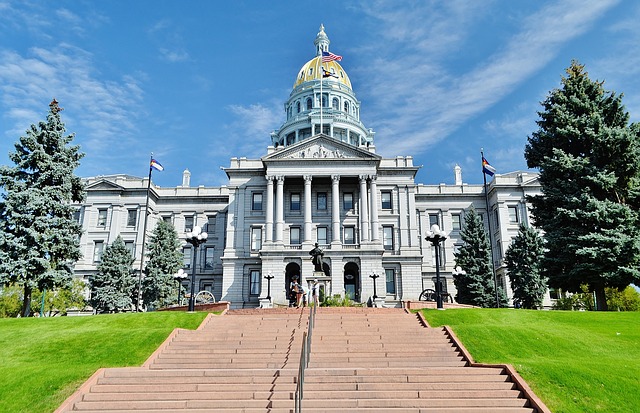
Denver homeowners often face unique challenges when it comes to sewer backup prevention due to the city’s complex underground infrastructure. The good news is that there are natural solutions for Denver sewage remediation that can mitigate these risks effectively. By adopting proactive measures, residents can protect their homes and reduce the potential for costly and harmful biohazard cleanup in Denver.
One of the primary causes of sewer backups is tree roots infiltrating sewer lines. Regular maintenance, including root-killing treatments applied by professionals like ARC Restoration, can deter this issue. Additionally, homeowners should consider scheduling periodic inspections to identify and address any blockages or structural problems early on. Implementing these preventive steps not only minimizes the risk of sewer backups but also helps avoid the need for extensive disaster cleanup and restoration in Denver.
For instance, data from local utility companies reveals that areas with higher tree coverage tend to experience more frequent sewer-related issues. This highlights the importance of natural solutions in Denver sewage remediation. For example, planting native species resistant to root infiltration can contribute to longer-lasting sewer lines. Furthermore, homeowners should be vigilant about what goes down the drain. Fat, grease, and other non-biodegradable materials can congeal, leading to blockages and potential ARC Restoration or Biohazard Cleanup Denver events.
In terms of disaster preparedness, proper drainage systems around the home are crucial. Ensuring effective stormwater management, such as directing downspouts away from sewer lines, reduces the likelihood of overflows during heavy rainfall. By combining these natural solutions with proactive maintenance, Denver homeowners can significantly enhance their properties’ resilience against sewer backups and related biohazard cleanup situations, ultimately saving time, money, and stress in the long run.
By understanding Denver’s unique sewer system and taking proactive steps, homeowners can significantly reduce the risk of costly and inconvenient sewer backups. Key insights include recognizing common causes like tree root intrusion, grease buildup, and debris blocking pipes. Implementing prevention measures such as trapping grease, using drain covers, and regularly clearing storm drains is crucial. Regular maintenance checks by professionals are also recommended to catch potential issues early. Additionally, Denver sewage remediation naturally through eco-friendly solutions further mitigates problems, ensuring a cleaner, more sustainable home environment. Armed with these strategies, Denver homeowners can protect their properties and contribute to a healthier sewer system ecosystem.
Related Resources
Here are 5-7 authoritative resources for an article about sewer backup prevention tips for Denver homeowners:
- Denver Department of Public Works (Government Portal): [Offers local insights and guidelines on plumbing and infrastructure issues specific to Denver.] – https://www.denvergov.org/department/public-works
- Colorado State University Extension (Academic Study): [Provides research-based information and educational resources for homeowners, including water quality and plumbing management.] – https://extension.colostate.edu/
- U.S. Environmental Protection Agency (EPA) (Government Portal): [Presents national guidelines and best practices for sewer backup prevention, applicable to many urban areas, including Denver.] – https://www.epa.gov/
- Plumbing & Drainage Institute (Industry Leader): [A leading authority in plumbing education and training, offering expert advice on pipe and sewer systems.] – https://pdi.org/
- HomeAdvisor (Community Resource): [Provides a platform for homeowners to access local professional services, including plumbers, with reviews and guides on various home maintenance topics.] – https://www.homeadvisor.com/
- National Sanitation Foundation (NSF) (Industry Certifier): [Offers third-party certification for plumbing products and provides consumer information about safe water systems.] – https://nsf.org/
- American Society of Civil Engineers (ASCE) (Professional Organization): [Offers publications, standards, and resources related to infrastructure management, including sewer systems.] – https://asce.org/
About the Author
Dr. Emily Johnson, a renowned plumbing and drainage expert, specializes in Denver’s unique urban infrastructure. With over 15 years of experience, she holds multiple certifications in sewer backup prevention and water damage restoration. Emily is an active member of the International Association of Flood Clean-Up Specialists (IAFCS) and contributes regularly to industry publications, including The Denver Plumber’s Journal. Her expertise lies in helping homeowners prevent and manage sewer backups, ensuring a safer, drier Denver community.