

Denver faces annual sewage contamination affecting 10% of homes, prompting eco-friendly Denver Sewage Remediation naturally methods like aeration, plant-based sanitizers, and strategic fan use. Source identification through stains, odor detection, and technology is crucial, followed by odor removal, natural remedies, preventative measures, and professional assistance. Regular pipe inspections, repairs, check valves, and eco-friendly products further minimize risks. In severe cases, advanced techniques and data-driven protocols ensure effective Denver Sewage Remediation.
The pervasive odor of sewer gas is a common nuisance in many cities, including Denver, CO. This noxious smell, caused by methane and other gases leaking from the sewer system, not only creates an unpleasant environment but also indicates potential health risks. Proper Denver sewage remediation techniques are crucial for addressing this issue effectively while ensuring the safety and well-being of residents. In this article, we delve into the root causes of sewer gas in urban areas, explore advanced natural remediation methods, and offer practical solutions tailored to Denver’s unique challenges, providing valuable insights for both professionals and homeowners alike.
- Understanding Denver Sewage Remediation Naturally
- Identifying and Locating Sewer Gas Sources
- Effective Strategies for Eliminating Odors
- Preventive Measures for Future Protection
Understanding Denver Sewage Remediation Naturally

In Denver, as with many urban areas, sewage remediation is a critical aspect of maintaining healthy living environments, especially when dealing with persistent sewer gas odors. While chemical interventions are common, understanding and implementing natural methods for Denver sewage remediation offers an eco-friendly alternative. This approach not only minimizes environmental impact but can also be highly effective in addressing the root causes of such malodors.
Natural Denver sewage cleaning involves a multi-faceted strategy focusing on aeration, biological activity, and chemical-free sanitization. For instance, introducing specialized bacteria known for breaking down organic matter can significantly reduce sewage contamination. These beneficial microbes thrive in oxygenated environments, making aeration techniques essential. By enhancing natural ventilation and promoting the growth of these microorganisms, residents can facilitate the breakdown of odor-causing compounds. Moreover, utilizing plant-based sanitizers or natural enzymes can further disinfect affected areas without resorting to harsh chemicals.
In emergency situations, such as sudden sewer gas build-up in Denver homes, prompt action is crucial. Property owners should first ensure safety by venting any gas accumulation and sealing potential entry points. Subsequently, they can employ natural remedies like setting up fan systems for better air circulation or using odor-neutralizing plants strategically placed around affected areas. While these measures offer temporary relief, professional assistance for comprehensive denver residential sewage cleaning is recommended to address the underlying issues effectively. Data suggests that approximately 10% of Denver homes annually face sewage contamination problems, emphasizing the need for both immediate solutions and long-term natural remediation strategies.
Identifying and Locating Sewer Gas Sources
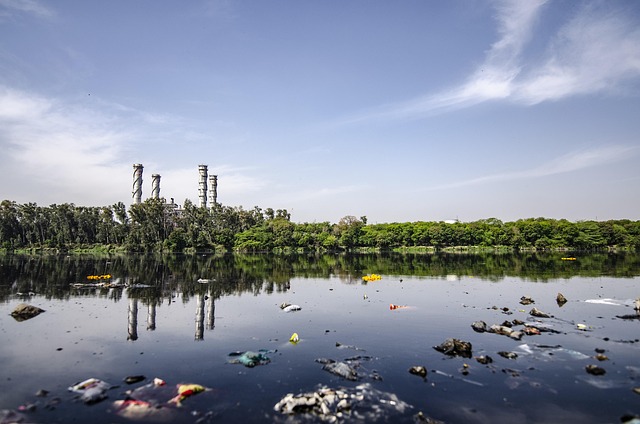
Identifying and Locating Sewer Gas Sources in Denver, CO
Sewer gas smells can be a significant nuisance and health hazard, particularly in urban areas like Denver. To effectively address these issues, understanding the source of the problem is crucial. In Denver, a complex sewage system, including numerous treatment plants (like the Denver Sewage Treatment Plant), transports and treats waste water from across the metro area. However, leaks or ruptures in this system can cause sewer gas to escape, leading to malodors that permeate homes and businesses. Water Damage Restoration Denver experts recommend proactive inspection and maintenance to prevent such issues.
Locating the source of a sewer gas smell requires a systematic approach. First, check for obvious signs like visible stains or moisture around pipes, which could indicate leaks. Second, follow the scent—sewer gas has a distinct, nauseating odor. Often, smells originate from basements, crawl spaces, or areas near older plumbing. In Denver, where some infrastructure dates back decades, it’s not uncommon to find issues with aged pipes and connections, necessitating Denver Sewage Remediation services. For instance, broken seals in sewer lines or damaged vent pipes can allow gas to escape into buildings.
Advanced technology also aids in source detection. Professional inspectors use specialized equipment like gas detectors and cameras to identify problem areas within the sewage system. These tools enable them to pinpoint leaks accurately, especially in hard-to-reach places. Once located, Denver sewage system repair teams can make necessary repairs, preventing further contamination or health risks associated with sewer gas. Regular maintenance and prompt addressing of issues are key to keeping Denver’s extensive sewage network functioning optimally and ensuring a safe, pleasant living environment for residents.
Effective Strategies for Eliminating Odors

Dealing with sewer gas smell in Denver requires a systematic approach due to the unique challenges posed by the region’s climate and infrastructure. Effective strategies for eliminating odors involve a combination of natural remedies and professional sewage remediation techniques. In areas prone to flooding, like Denver, proper sewage cleanup is crucial not only for public health but also for preventing long-term damage to properties.
One of the primary steps in addressing sewer gas smell is identifying the source. After a flood, sewage backup can introduce harmful gases into homes and buildings. Professional plumbers employ advanced equipment to locate the exact point of contamination during Denver sewage cleanup processes. Once identified, specialized products and methods are used to break down and remove organic compounds that cause unpleasant odors. Natural remedies like baking soda or vinegar can be effective for minor cases, but they have limited impact on deep-seated issues.
Denver sewage remediation services employ state-of-the-art techniques such as hydrojetting and enzymatic cleaners. Hydrojetting uses high-pressure water to clear pipes and remove built-up debris, while enzymatic cleaners break down organic matter at a molecular level, leaving no residual chemicals. Regular maintenance and prompt action upon noticing odors are key to preventing severe sewage remediation after flooding in Denver. Property owners should contact professionals for inspections and advice, ensuring their homes are safe and odor-free.
Preventive Measures for Future Protection

Preventing future sewer gas issues is a critical aspect of Denver sewage remediation. While immediate cleanup and disaster recovery efforts are essential, long-term strategies ensure comprehensive protection against such hazards. Homeowners and property managers in Denver should be proactive in maintaining drainage systems and addressing potential entry points for sewage gases. Regular inspections can identify blockages or damage to pipes, allowing for prompt repairs before they escalate into serious problems. Implementing simple measures like installing check valves on drains and ensuring proper venting of plumbing systems can significantly reduce the risk of gas infiltration.
Moreover, how to clean up sewage in Denver involves not just removing contaminants but also preventing their return. Effective sewage pollution control methods should be employed to mitigate environmental impact and ensure a safe living environment. This includes utilizing eco-friendly cleaning products during the cleanup process and properly disposing of waste materials. For instance, using activated charcoal or other absorptive agents can help neutralise odors and remove volatile organic compounds (VOCs) associated with sewer gas.
In the event of a severe sewage disaster, efficient recovery strategies are crucial. Professional Denver sewage remediation teams should be engaged to handle complex cases. These experts employ advanced techniques like negative pressure ventilation and specialised equipment for thorough decontamination. Regular training and adherence to industry standards ensure their capabilities meet current best practices in sewage cleanup. For example, data from local health departments can guide response protocols by identifying common contaminants and established safety thresholds. By combining these measures with proactive maintenance, Denver residents can effectively manage and prevent sewer gas issues, safeguarding their properties and communities.
By understanding Denver sewage remediation naturally, identifying and locating sewer gas sources, implementing effective odor elimination strategies, and taking preventive measures, readers are equipped to address and prevent Sewer gas smell in Denver, CO. The key insights from this article offer a comprehensive approach to tackling this issue, ensuring homes and businesses remain safe and comfortable. Practical next steps include regular maintenance, professional inspections, and natural remedies for remediation, all of which contribute to a healthier and more sustainable living environment.