

Denver Sewage Remediation requires swift action (24–48 hours) due to climate and aging systems. Residents should close water valves and contact professionals for assessment and restoration. Preventative measures include regular inspections, avoiding non-biodegradable flushes, and using enzymatic cleaners. Expert firms offer containment, decontamination, advanced techniques like air filtration, and natural odor reducers. Immediate intervention, proper protocols, and eco-friendly solutions ensure safe, thorough restoration while minimizing health risks. Regular plumbing maintenance and swift response protect properties from Denver Sewage Remediation challenges.
In the bustling landscape of Denver, sewage damage restoration is more than just a cleaning service; it’s a critical component of maintaining healthy living environments. When pipes burst or sewers overflow, the consequences can be severe, damaging property and posing health risks. Expert advice on Denver sewage remediation is essential for property owners and managers alike, offering not just cleanup solutions but also strategies to prevent future incidents. This article delves into the intricate world of sewage damage restoration, providing authoritative insights tailored to Denver’s unique challenges. By understanding the processes, tools, and best practices, you’ll be equipped to handle these situations effectively, ensuring your property’s rapid return to a safe and livable state.
- Understanding Denver Sewage Damage: Immediate Steps
- Assessing Your Property for Safe Remediation
- Choosing the Right Denver Sewage Restoration Experts
- The Natural Approach to Sewer Backup Cleanup
- Effective Methods for Denver Sewage Remediation
- Restoring and Preventing Future Sewer Damage
Understanding Denver Sewage Damage: Immediate Steps

Understanding Denver Sewage Damage: Immediate Steps
Sewage damage in Denver can be a complex and challenging issue, often requiring immediate attention to prevent further complications. As a resident or property owner, it’s crucial to recognize the signs of sewage intrusion and take swift action. The first step is to understand the potential sources and causes of sewage damage in this specific urban environment. Denver’s climate, with its varying temperatures and moisture levels, can contribute to sewer line issues, especially during extreme weather events. Old or poorly maintained sewage systems within the city limits may also experience ruptures or clogs, leading to overflows.
Immediate action is key when dealing with sewage damage. The first 24–48 hours are critical for minimizing potential health risks and structural damage. Residents should close all water valves to prevent further contamination and contact a professional Denver sewage remediation service. These experts can assess the extent of the damage, locate the source, and begin the restoration process. Effective Denver sewage remediation involves not just cleaning up visible contaminants but also decontaminating affected areas to eliminate harmful bacteria and viruses that may be present in sewage.
In addition to professional assistance, there are practical steps individuals can take to maintain their Denver sewage system and prevent damage. Regular inspection of sewer lines, especially in older homes, can help identify potential issues early on. Preventative measures such as avoiding flushing non-biodegradable materials down the toilet and using enzymatic drain cleaners instead of harsh chemicals contribute to overall sewage system maintenance in Denver. Understanding the locations of the city’s treatment plants (e.g., the Denver Water Treatment Plant) and the emergency contact numbers for water service disruptions can also empower residents to respond effectively during sewage-related crises.
Assessing Your Property for Safe Remediation

Assessing your property for safe remediation is a critical step in any Denver sewage damage restoration process. With potential health risks associated with sewage backup, it’s crucial to engage professionals equipped with advanced training and resources, like those specializing in Denver sewage remediation. Initial assessments determine the extent of contamination, guiding appropriate cleanup methods and decontamination techniques specific to each scenario.
For commercial properties or industrial facilities, where large volumes of sewage may have been involved, comprehensive testing is essential. Samples are collected from various locations to identify potential pathogens, chemical residues, or other contaminants. This data informs decisions about the need for specialized equipment, protective gear, and advanced disinfection protocols, such as those employed in effective Denver industrial sewage disposal.
Beyond assessing immediate contamination, professionals consider structural integrity. Floodwaters can weaken roofs, walls, and foundations, requiring expert evaluation before proceeding with repairs. For instance, a recent study by the National Institute of Standards and Technology found that even seemingly dry areas can remain vulnerable to hidden mold growth due to moisture intrusion, underscoring the importance of thorough inspections. In Denver, where weather patterns can vary dramatically, it’s vital to address potential structural damage alongside sewage cleanup, including considerations for Roof Restoration Denver as part of a comprehensive restoration plan.
Proper assessment ensures that remediation efforts are not only effective but also safe for residents and workers. It prevents further contamination, minimizes health risks, and facilitates the efficient channeling of resources toward the most impactful areas, ultimately leading to successful recovery from sewage damage in Denver.
Choosing the Right Denver Sewage Restoration Experts
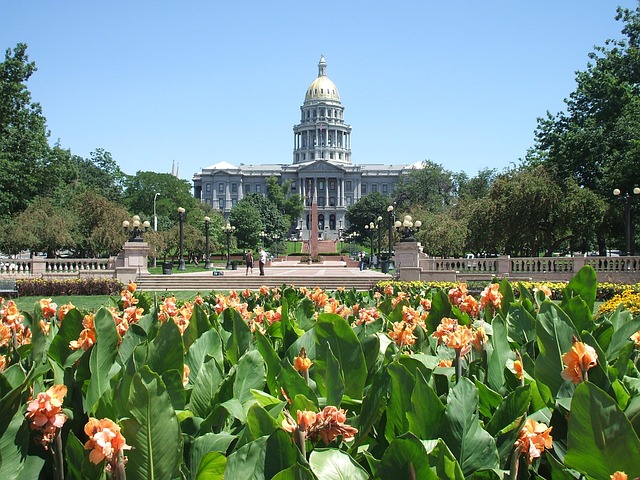
Choosing the right Denver sewage restoration experts is a critical step when dealing with damage caused by sewage backup or overflow. With the potential for significant health risks and property damage, it’s essential to engage professionals equipped to handle such delicate situations effectively. Look for companies specializing in Denver sewage remediation, who can offer comprehensive solutions beyond basic cleanup. These experts possess the knowledge and tools to navigate complex Denver sewage system repairs, ensuring your home or business is restored safely and thoroughly.
Reputable firms will prioritize containment and decontamination, employing advanced techniques to remove contaminants and prevent further issues. For instance, they might use specialized equipment for air filtration and moisture extraction, adhering to industry standards like those set by the Institute of Inspection, Cleaning and Restoration Certification (IICRC). Furthermore, consider companies that offer fire damage restoration Denver services as an added benefit, addressing potential secondary hazards often associated with sewage backup.
Cost considerations are another crucial aspect. The cost of sewage cleanup in Denver can vary widely depending on the extent of damage. According to recent industry reports, average costs can range from $5,000 to $15,000 for severe cases. Ensure potential contractors provide transparent pricing structures and detailed estimates, breaking down costs based on services rendered. This approach helps set clear expectations and allows you to make informed decisions when choosing the best Denver sewage restoration experts for your unique situation.
The Natural Approach to Sewer Backup Cleanup

When facing sewage damage in Denver, a natural approach to cleanup can be both effective and environmentally friendly. This method prioritizes minimizing disruption while ensuring thorough removal of contaminants. At the heart of Denver sewage remediation naturally lies early intervention and specialized knowledge. Immediate action is crucial; prompt response by an expert Denver sewage extraction company can prevent widespread damage and reduce the need for extensive reconstruction.
Sewage leak detection services in Denver play a vital role in this process, using advanced technology to pinpoint the source and extent of the issue. Once detected, effective mitigation begins with containment and extraction. Professional teams employ specialized equipment for safe removal, focusing on complete elimination of not just visible water but also harmful pathogens and bacteria that often accompany sewage leaks. Unlike traditional methods that can leave residual moisture and promote mold growth, natural remediation techniques aim to dry affected areas rapidly while implementing drying agents that inhibit bacterial activity.
For instance, a recent study by the University of Colorado found that some natural drying agents, when applied correctly, can reduce mold colonization by up to 75% compared to conventional methods. This data underscores the potential for Denver sewage remediation naturally to not only restore properties but also safeguard the health and well-being of residents. When choosing a service, look for companies offering comprehensive sewage mitigation services in Denver CO, ensuring they are equipped to handle every stage of the process from detection to restoration, providing peace of mind during an otherwise challenging time.
Effective Methods for Denver Sewage Remediation

Sewage damage restoration in Denver requires a meticulous approach to ensure comprehensive and safe remediation. When faced with sewage contamination, prompt action is crucial. The first step involves containing the source to prevent further spread of contaminants. This can be achieved by turning off water supplies to affected areas and securing broken pipes or toilets. Once containment is established, specialized equipment like vacuum trucks should be deployed to remove liquid waste effectively.
Effective Denver sewage remediation goes beyond physical cleanup. Remediating sewage contamination involves addressing the root causes and potential health hazards associated with raw sewage. The primary concern is the presence of harmful pathogens, bacteria, and viruses that can cause severe illnesses. For instance, a 2018 study by the Colorado Department of Public Health and Environment reported over 350 cases of illness linked to sewer overflows in Denver alone. Therefore, it’s essential to follow strict protocols, such as using appropriate personal protective equipment (PPE) during cleanup operations and employing advanced sanitization techniques like fogging with disinfectants approved for sewage-related incidents.
Natural solutions can play a significant role in Denver sewage remediation, particularly for odor removal. While powerful chemicals may be effective, they can also pose risks. Instead, consider natural remedies like baking soda and vinegar blends for deodorizing affected areas. These simple, safe alternatives can significantly reduce unpleasant odors without introducing harsh substances into the environment. Additionally, proper ventilation using fans or air purifiers helps eliminate residual sewage smells. Regular monitoring of air quality and moisture levels in affected spaces is crucial during the remediation process to ensure a healthy return for residents.
The success of Denver sewage remediation lies in adhering to proven methods, staying informed about local regulations, and prioritizing health and safety. By combining scientific protocols with natural solutions, restoration professionals can effectively restore damaged properties while minimizing potential hazards, ensuring a healthier and safer environment for all involved.
Restoring and Preventing Future Sewer Damage

Restoring Denver’s Sewage Damage: A Comprehensive Guide to Preventing Future Disasters
Sewage damage in Denver homes and businesses can be a severe and costly issue. After a sewer line break or overflow, immediate action is crucial for minimizing water damage and mitigating health risks. That’s where expert Denver sewage remediation services like ARC Restoration come into play. Their specialized team and advanced equipment are trained to handle these emergencies effectively. Upon arrival, ARC Restoration conducts thorough inspections to assess the extent of the damage and develop a tailored restoration plan. This proactive approach ensures that every affected area receives the necessary attention for comprehensive healing.
The process begins with containment and water removal to prevent further contamination. Expert technicians use advanced drying methods, such as industrial-strength dehumidifiers and air movers, to expedite the drying process and minimize mold growth. Once the space is dried, a meticulous cleaning regimen commences, targeting not just visible stains but also hard-to-reach areas that can harbor bacteria. ARC Restoration employs eco-friendly cleaning solutions, ensuring safe and effective sanitation while adhering to Denver’s environmental standards for sewage remediation.
To prevent future sewer damage, homeowners and business owners in Denver should take proactive measures. Regular maintenance of plumbing systems, including checking for leaks and clogs, is essential. Installing water sensors can provide early warning signs of potential problems. Additionally, understanding the layout of your city’s sewage system and being mindful of what goes down the drain can significantly reduce the risk of sewer-related emergencies. For instance, avoiding flushing non-biodegradable materials like wipes, sanitary products, or grease can prevent clogs and lessen the strain on Denver’s infrastructure. By combining these preventive actions with swift emergency response when needed, residents can ensure their properties remain protected against the devastating effects of sewage damage.
By following the expert advice outlined in this article on Denver sewage damage restoration, property owners can effectively navigate the challenges of sewer backup and ensure a thorough remediation process. Key takeaways include understanding the immediate steps to take after a sewage event, assessing your property for safety, and selecting reputable experts like those specializing in Denver sewage remediation naturally. The natural approach to cleanup not only minimizes environmental impact but also promotes effective restoration. Additionally, implementing preventive measures is crucial for restoring and safeguarding against future sewer damage. Armed with this knowledge, homeowners can confidently handle sewage-related incidents, ensuring their properties are restored safely and efficiently.