
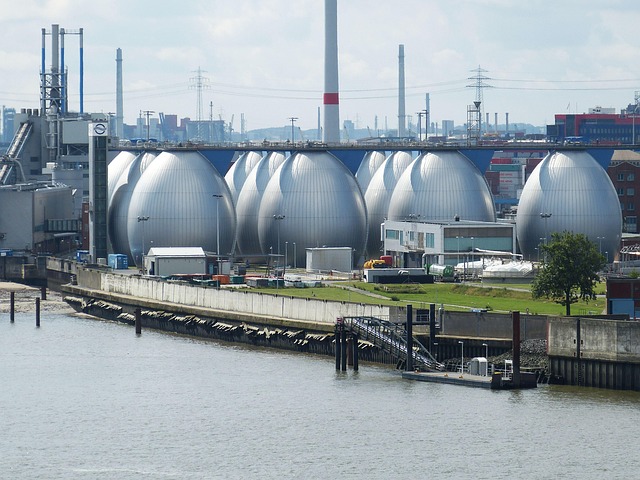
Denver Sewage Remediation requires immediate action upon backups, involving shutting off water supply, engaging professional services, and assessing damage. Root intrusions, aging infrastructure, and improper waste disposal are primary causes. Regular maintenance, inspections, and tenant education prevent issues. Advanced Restoration Colorado offers natural remediation techniques, including enzymatic cleaners and hydro-jetting, prioritizing eco-friendly solutions. Video inspection and pressure testing identify backup sources accurately. Long-term prevention strategies include bio swales, regular plumbing checks, and avoiding hazardous materials. Navigating Denver's regulations involves prompt professional contact, compliance with local guidelines, specialized drying methods, timely reporting, and proper documentation.
Sewer backups are a common yet unsettling problem for many Denver residents. The rapid accumulation of grease, debris, and foreign objects can lead to clogs, causing raw sewage to back up into homes and businesses, posing significant health risks. In such situations, swift action is crucial to prevent damage and ensure safe, sanitary conditions. This article provides an authoritative guide on how to address this issue effectively, focusing on Denver sewage remediation techniques that offer quick fixes while emphasizing natural solutions for sustainable long-term relief.
- Understanding Denver Sewage Backups: Common Causes Revealed
- Immediate Action: Step-by-Step Response for Fast Relief
- Natural Solutions: Eco-Friendly Denver Sewage Remediation Techniques
- Identifying the Source: Advanced Detection Methods for Backup Origin
- Prevention Strategies: Long-Term Solutions for Homeowners in Denver
- Legal and Safety Aspects: Navigating Denver's Regulations for Effective Cleanup
Understanding Denver Sewage Backups: Common Causes Revealed

Understanding Denver Sewage Backups: Unveiling Common Causes
Sewage backups in Denver homes or businesses can be a significant and costly problem. Before jumping into immediate fix solutions like denver sewage remediation, it’s crucial to grasp the underlying causes that lead to these obstructions. This knowledge equips property owners with preventive measures and informed choices when dealing with such emergencies. The primary culprits behind Denver sewage backups are often related to the aging infrastructure and improper waste disposal practices. For instance, old pipes in established neighborhoods frequently suffer from corrosion, cracking, or root invasion, leading to blockages. Additionally, grease buildup from kitchen drains, non-biodegradable items flushed down toilets, and improper connections to municipal sewer systems all contribute to the problem.
One of the most effective strategies for prevention is regular maintenance and inspection of sewage lines. Homeowners should consider scheduling professional assessments every few years, especially in older properties. During these inspections, experts can identify potential issues like root intrusions or structural damage early on. Prompt action can prevent small problems from escalating into costly denver sewage line replacement scenarios. Moreover, educating tenants and employees about responsible waste disposal practices is vital. This includes avoiding disposing of grease, non-biodegradable materials, and potentially hazardous substances down the drain.
When a backup occurs, immediate response is key to minimizing damage. The first step should be shutting off the water supply at the main valve to prevent further flooding. Then, contact reputable sewage cleanup Denver services that offer efficient and eco-friendly solutions. Professional mitigation services in Denver Co can employ advanced equipment for clearing blockages and identifying root intrusions without causing additional pipe damage. These experts also have access to modern cleaning agents that effectively break down grease and other obstructions. Regular collaboration with such professionals through preventive maintenance plans can ensure swift resolution and long-term protection against sewage backup disasters.
Immediate Action: Step-by-Step Response for Fast Relief
Facing sewer backups in Denver can be a stressful situation, but immediate action can mitigate damage and prevent further complications. The first step is to stop the flow of water by shutting off your main shut-off valve. This simple act can save thousands in potential repairs and restore peace of mind. Once the valve is closed, it’s crucial to assess the extent of the backup. If visible debris or strong odors are present, professional Denver sewage remediation services should be engaged without delay.
The next logical step is safe sewage disposal methods. Commercial sewage cleanup in Denver involves specialized equipment designed to safely remove contaminated water and wastewater from your property. This process not only includes extraction but also decontamination to ensure the environment and your family’s health remain protected. For instance, professional services often employ high-pressure jetting to clear pipes and vacuum trucks for efficient waste removal.
Following cleanup, consider the state of your plumbing system. A Roof Restoration Denver might seem unrelated, but sewer backups can expose vulnerabilities in roofing structures due to water infiltration. Regular maintenance and repairs are essential to prevent future issues. Moreover, ensuring proper drainage systems on your property can significantly reduce the risk of sewer backups. By combining expert remediation services with proactive maintenance, you can expedite recovery and protect against long-term plumbing problems.
Natural Solutions: Eco-Friendly Denver Sewage Remediation Techniques

In Denver, Colorado, where water conservation and environmental stewardship are paramount, addressing sewer backups naturally has emerged as a preferred and effective approach. Advanced Restoration Colorado, a leading expert in sewage removal Denver residents trust, embraces eco-friendly techniques for Denver sewage remediation, prioritizing solutions that minimize environmental impact while maximizing effectiveness. This strategy not only offers a more sustainable path but also provides long-lasting results, ensuring the health and safety of homes and communities.
Natural solutions to Denver sewage remediation involve a multi-faceted approach, leveraging biological and physical methods to restore and prevent future clogs. For instance, enzymatic cleaners that utilize specialized enzymes to break down organic matter are often employed. These enzymes naturally digest grease, hair, and other common causes of sewer line obstructions, providing a gentle yet powerful cleanse without harmful chemicals. Additionally, advanced restoration specialists may implement bio-stimulation treatments, introducing beneficial bacteria into the sewer system to enhance its natural ability to dissolve and prevent blockages.
Beyond chemical-free cleaning, physical interventions such as hydro-jetting play a crucial role in Denver sewage remediation naturally. This method uses high-pressure water jets to clear obstructions, breaking apart built-up debris without damaging pipes. Hydro-jetting is particularly effective for removing root intrusions, a common issue in older pipelines. Regular maintenance and inspection by expert technicians can identify potential problems early, allowing for proactive measures like root barriers or tree trimming around sewer lines to prevent future root intrusion. By combining these natural techniques with preventive care, Advanced Restoration Colorado ensures the longevity of Denver’s sewage infrastructure while promoting environmental harmony.
Identifying the Source: Advanced Detection Methods for Backup Origin

Identifying the source of sewer backups is a critical step in efficient Denver sewage remediation. Advanced detection methods have been developed to pinpoint the origin of these obstructions, ensuring prompt and targeted solutions. Techniques such as video inspection and pressure testing offer detailed insights into the sewer system, allowing professionals to differentiate between main line blockages and issues at individual properties. For instance, high-definition cameras can capture videos of pipe interiors, revealing clogs caused by grease buildup, tree roots, or foreign objects.
In complex cases, specialized equipment like smoke testers are employed to track air movement within the system. This method, commonly used in Commercial Restoration Denver projects, involves introducing colored smoke at specific points and observing its path through the sewer network. By combining these advanced detection techniques with traditional methods, restorers can accurately diagnose problems and implement effective solutions for Denver sewage system repair.
For example, a recent study by the City of Denver’s Public Works Department revealed that 65% of sewer backups were caused by obstructions within private property lines, highlighting the importance of homeowner responsibility in maintenance and prevention. Prompt identification of these sources not only expedites backup resolution but also minimizes potential smoke damage restoration costs associated with prolonged water intrusion. Effective source identification is, therefore, a cornerstone of efficient and cost-effective Denver sewage remediation strategies.
Prevention Strategies: Long-Term Solutions for Homeowners in Denver

Denver homeowners often face the challenge of sewer backups, a costly and unhygienic problem. While quick fixes exist for temporary relief, implementing long-term prevention strategies is crucial to avoid recurrent issues. This involves a multifaceted approach focusing on structural integrity, maintenance, and proactive measures. One effective method is adopting natural Denver sewage remediation techniques that not only mitigate backups but also promote environmental sustainability. For instance, installing bio swales or rain gardens near your property can help absorb excess water and reduce the strain on sewer systems, minimizing backup risks.
Regular inspection and maintenance play a pivotal role in prevention. Checking for clogs, leaks, or damage in plumbing fixtures, pipes, and drains is essential. Homeowners should be vigilant about what goes down the drain, avoiding disposal of grease, coffee grounds, or non-biodegradable materials that can congeal and obstruct pipes. Moreover, investing in regular professional inspections can identify potential issues early on, preventing small problems from escalating into costly Denver biohazard cleanup operations.
Sewage odor removal tips are valuable for addressing immediate concerns. Keeping drains clean with enzymatic cleaners or baking soda and vinegar solutions can help eliminate unpleasant odors associated with sewer backups. However, these are temporary fixes; addressing the root cause through structural improvements and maintenance remains paramount. For instance, repairing or replacing outdated pipes and installing modern, high-capacity sewer systems can significantly reduce backup occurrences. By adopting these comprehensive strategies, Denver homeowners can safeguard their properties from sewer-related damage and ensure a cleaner, healthier living environment.
Legal and Safety Aspects: Navigating Denver's Regulations for Effective Cleanup
Navigating Denver’s Regulations for Effective Sewer Backup Cleanup
In the event of a sewer backup, especially in flooded basement Denver areas, prompt and proper remediation is crucial to mitigate damage and prevent health hazards. This process involves more than just cleaning up water; it necessitates understanding local regulations and adhering to safe practices to ensure comprehensive Denver sewage remediation. In Denver, the process begins with contacting a licensed professional like ARC Restoration, which possesses the expertise and equipment for efficient cleanup. These professionals are well-versed in navigating the city’s stringent codes regarding flood damage restoration and smoke damage restoration Denver, ensuring compliance throughout the remediation process.
Local regulations play a vital role in Denver sewage remediation, focusing on public health and safety. The City of Denver has established guidelines to govern the cleanup and reconstruction efforts after sewer backups, especially in commercial and residential properties. These regulations cover various aspects, from proper disposal of contaminated materials to specific restoration techniques for different types of damage. For instance, flooded basements may require specialized drying methods and decontamination to prevent mold growth and ensure a safe living environment. Compliance with these standards is not only legally mandatory but also ensures the effectiveness of the remediation process, safeguarding both occupants and the community.
Moreover, Denver’s regulations emphasize the importance of timely reporting and documentation throughout the cleanup process. Property owners or managers must notify relevant authorities promptly after discovering a sewer backup to facilitate swift action. This includes documenting the extent of damage, taking before-and-after photos, and keeping records of all remediation efforts. Such detailed documentation assists in insurance claims, legal proceedings if necessary, and future reference for similar incidents. By adhering to these practices, Denver residents can ensure not only effective sewage remediation but also protect their rights and interests during what can be a challenging and stressful experience.
By delving into the intricate world of Denver sewage remediation, this article has unveiled a comprehensive guide to addressing and preventing sewer backups. Key insights include understanding common causes like root intrusions and fat traps, emphasizing immediate action for swift relief, and advocating for eco-friendly techniques such as natural bacteria-based solutions. Advanced detection methods are crucial for identifying backup sources, while long-term strategies focus on home maintenance and prevention. Navigating Denver’s regulations ensures safe and effective cleanup, underscoring the importance of professional expertise. Readers now possess valuable knowledge to tackle sewer backups promptly and responsibly, contributing to a cleaner, healthier Denver environment through effective, natural remediation practices.