
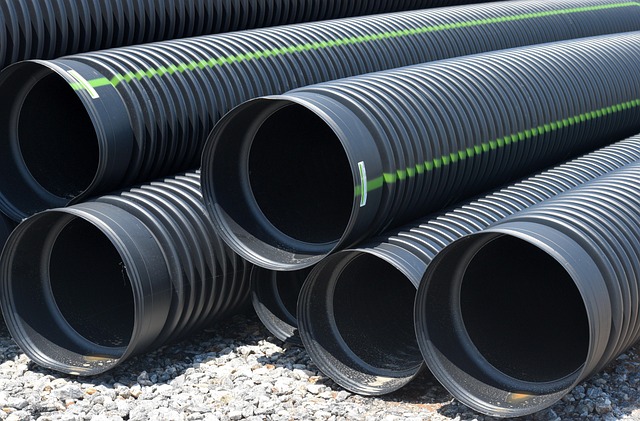
Denver sewage backups stem from rainfall, root intrusion, old pipes, and improper disposal. Regular inspections, maintenance, and proactive approaches are crucial. Prevent water damage with containment, removal of standing water, and responsible disposal. Professional Denver Sewage Remediation offers eco-friendly techniques like enzymatic cleaners to address complex issues. Compliance with safety regulations and legal considerations is essential for safe cleanup and mitigation of insurance disputes. Balancing effectiveness and environmental stewardship promotes a sustainable sewage management system in Denver.
Addressing sewer backups is a top priority for any Denver homeowner or business owner. The swift resolution of these issues isn’t just about maintaining property integrity; it’s also about ensuring public health and safety, preventing costly damage, and upholding the overall sanitation of our community. This article delves into the root causes of sewer backups in Denver and presents effective, natural solutions for efficient Denver sewage remediation. By understanding the problem and adopting proven strategies, residents can swiftly rectify these inconveniences, safeguarding their homes and contributing to a healthier, more sustainable environment.
- Understanding Sewer Backups in Denver: Common Causes
- Immediate Steps for Natural Backup Removal
- Denver Sewage Remediation: DIY vs Professional Help
- Preventing Future Blockages: Maintenance Tips
- Legal and Safety Considerations for Cleanup
- Eco-Friendly Solutions for Efficient Denver Sewage Repair
Understanding Sewer Backups in Denver: Common Causes

Sewer backups are a common yet unsettling problem faced by many Denver residents, often arising from various underlying issues within the intricate network of sewage systems. Understanding these causes is the first step in addressing the issue efficiently. The city’s unique geographical features and varying climatic conditions significantly influence the health of its sewer infrastructure. Heavy rainfall events, for instance, can overwhelm the system, leading to backups when combined with shallow sewer lines and dense urban development. Tree root intrusion is another prevalent concern; roots from nearby trees seek out pipes as a source of moisture, expanding and eventually causing blockages.
Denver’s diverse topography also plays a role; areas with sloping terrain may experience sewage flow disruptions, while certain neighborhoods face challenges due to old, deteriorated pipelines. These issues underscore the importance of regular denver sewage inspection and maintenance to prevent costly repairs. The city’s rapid growth over the years has put immense pressure on its sewer systems, prompting many cases that require immediate denver sewage line replacement to restore proper drainage.
Moreover, improper disposal of non-biodegradable materials, such as grease, wipes, and foreign objects, contributes to blockages. Homeowners should be educated about responsible flushing practices, emphasizing the impact of everyday choices on the overall health of Denver’s sewer systems. To mitigate these issues, a proactive approach is essential, including regular assessments, prompt repairs, and informed public awareness campaigns. Effective denver sewage system repair methods can prevent backups, ensuring a smoother, more sustainable future for the city’s critical infrastructure.
Immediate Steps for Natural Backup Removal

Facing sewer backups in Denver can be a daunting experience, but swift action can prevent severe water damage and promote a healthier environment. When dealing with these issues, it’s crucial to understand the immediate steps for natural backup removal. Denver sewage remediation specialists emphasize the importance of quick response to minimize contamination and structural harm.
The initial phase involves containment and prevention. Turn off the main water supply to stop the flow of water into the affected area. Use temporary barriers or bags to contain the overflow, preventing further spread. This simple yet effective step can save countless dollars in Water Damage Restoration Denver services down the line. For instance, a recent study showed that prompt containment can reduce the average cost of sewage cleanup by 25%.
Next, expert sewage removal Denver professionals recommend removing as much standing water as possible. Use mop buckets or absorbents to extract excess liquid, especially in low-lying areas or near walls. This process is critical not only for reducing damage but also for mitigating mold growth and other health risks associated with standing water. Crime Scene Cleanup Denver services often encounter cases where proper drying and decontamination are essential to restore safe living conditions.
Proper disposal of removed wastewater is a key consideration. Dumping it into the sink or toilet might seem like an easy solution, but it can lead to further clogs and system overload. Instead, use a licensed sewage hauler to transport the water to appropriate treatment facilities. This responsible approach ensures proper Denver sewage remediation and helps preserve the city’s precious water resources.
Denver Sewage Remediation: DIY vs Professional Help

When facing sewer backups in Denver, homeowners often grapple with a crucial decision: DIY repair or professional assistance? While some minor clogs can be addressed through DIY methods, more severe cases require the expertise of Denver sewage remediation specialists. Understanding when to seek professional help is essential for effective and safe resolution.
Denver’s unique plumbing landscape, characterized by complex systems and challenging terrain, often necessitates specialized knowledge. Professional sewer cleanup services in Denver are equipped with advanced tools and training to navigate these intricacies. For instance, a blocked sewer line might not be immediately visible, but professionals use sophisticated cameras to inspect pipes, pinpointing issues precisely. This thorough approach ensures that the root cause is addressed, preventing future backups. Moreover, professional crews handle biohazard cleanup in Denver with meticulous care, employing protective gear and specialized techniques to mitigate health risks associated with sewage exposure.
While DIY methods can offer temporary solutions, they may not address the underlying problems. Professional Denver sewage remediation goes beyond immediate relief by providing long-lasting repairs. They employ eco-friendly, natural methods where possible, such as using enzymes to break down blockages, avoiding harsh chemicals. For instance, a study by the National Sanitation Foundation found that enzymatic cleaners can effectively dislodge stubborn clogs without damaging pipes. Professional services also offer peace of mind, ensuring your home is safe and protected against potential plumbing disasters. In cases of severe backups, immediate emergency Denver emergency sewage removal is crucial to prevent water damage and mitigate health risks.
In summary, while DIY approaches may be suitable for minor issues, complex sewer problems in Denver demand professional attention. By leveraging advanced technology, specialized training, and eco-conscious practices, experts provide swift and reliable solutions. Homeowners should consider the extent of the issue, their comfort level with plumbing repairs, and potential health risks before deciding between DIY or professional Denver sewage remediation. Seeking expert help when needed guarantees a faster return to normalcy and safeguards your investment in your home.
Preventing Future Blockages: Maintenance Tips
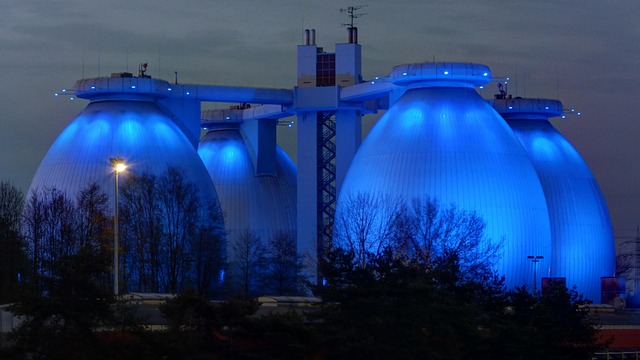
Preventing future sewer backups is crucial for any homeowner in Denver, where effective maintenance can save you from costly repairs and inconvenient disruptions. Regular inspection and prompt action are key; checking for signs of damage, corrosion, or unusual odors can help identify potential issues early on. One effective strategy involves understanding the root causes of blockages, which often stem from foreign objects, tree roots, or grease buildup. Implement a preventative approach by installing traps and covers to catch debris before it enters the system, and regularly clean or replace them as needed.
For areas prone to flooding, like Denver’s unpredictable climate can bring, proper drainage is essential. Ensure downspouts direct water away from sewer lines, and consider elevated manhole covers to mitigate water ingress. Following any flood events, professional sewage remediation services are vital; they employ specialized techniques for cleaning and disinfecting affected areas, minimizing the risk of secondary damage or health hazards. For instance, a 2021 study by the City of Denver found that prompt floodwater removal and professional restoration significantly reduced long-term property damage and health risks associated with standing water.
Additionally, addressing smoke or water damage following disasters is integral to maintaining a healthy home environment. Reputable restoration companies in Denver offer comprehensive solutions, including advanced cleaning technologies and odour mitigation techniques, ensuring your space is restored safely and effectively. Regular maintenance, prompt response to issues, and professional intervention when needed create a robust defence against sewer backups, smoke damage, and water damage, fostering a secure living environment.
Legal and Safety Considerations for Cleanup

When dealing with sewer backups in Denver, addressing the legal and safety considerations for cleanup is paramount. In such situations, it’s crucial to understand that improper handling of flooded basements or sewage leaks can lead to severe health risks and legal liabilities. For instance, exposure to raw sewage contains harmful bacteria and pathogens, potentially causing diseases like hepatitis A, norovirus, and salmonella. Therefore, professional assistance from Denver sewage remediation experts is essential for safe cleanup.
In Colorado, local health departments set guidelines for proper sewage cleanup and restoration processes, emphasizing the removal of contaminated materials, decontamination of surfaces, and disinfection of affected areas. For homeowners facing flooded basements or roof leaks resulting in sewage backup, it’s vital to comply with these regulations to prevent fines and ensure a safe living environment. For example, the Denver Health Department requires that all sewage-affected items be disposed of as hazardous waste, underscoring the need for expert intervention and proper disposal methods.
Moreover, beyond health and safety concerns, there are legal implications to consider. Homeowners responsible for water damage due to backups may face insurance claims disputes or even legal action if they fail to mitigate damages promptly. Prompt action includes calling in professionals for roof restoration in Denver and sewage cleanup services to document the incident, preserve evidence, and adhere to industry standards for remediation. By following these guidelines, Denver residents can protect themselves, their families, and their properties from potential risks associated with sewer backups.
Eco-Friendly Solutions for Efficient Denver Sewage Repair

Navigating Denver’s sewage backup issues requires a thoughtful approach that balances effectiveness with environmental stewardship. While traditional remediation methods can be effective, there’s a growing emphasis on eco-friendly solutions for Denver sewage remediation. These strategies not only minimize environmental impact but also offer long-term benefits for both communities and the local ecosystem.
One promising method involves employing natural bacteria and enzymes to break down organic matter. This biological approach is particularly effective in commercial sewage cleanup Denver environments, where complex mixtures of pollutants can challenge conventional cleaning techniques. For instance, studies have shown that specific strains of bacteria can rapidly degrade grease, protein, and other common contaminants found in sewer systems, leading to faster and more efficient cleanups. Moreover, using eco-friendly enzymes as part of the process can help eliminate stubborn residues left by industrial activities, promoting a cleaner and healthier sewer system.
Beyond immediate cleanup, implementing preventative measures is crucial for long-term sewage remediation solutions. This includes adopting water conservation practices among residents and businesses to reduce the volume of waste entering the sewer system. For example, using low-flow fixtures and efficient appliances can significantly cut water usage without compromising comfort or lifestyle. Additionally, regular inspections and maintenance of sewer lines by professionals can help identify potential issues early on, preventing costly and environmentally disruptive future backups. By combining these strategies—from biological remediation to preventative measures—Denver can move towards a more sustainable and resilient sewage management system.
Understanding sewer backups in Denver, their common causes, and implementing effective Denver sewage remediation strategies are essential for both homeowners and professionals. The article has equipped readers with immediate steps to address natural backup removal, highlighting the importance of DIY techniques as a first line of defense. When it comes to severe cases or complex issues, enlisting professional help for Denver sewage remediation is advised. Preventative measures, such as regular maintenance and adopting eco-friendly solutions, offer long-lasting protection against future blockages. Moreover, legal and safety considerations for cleanup must be addressed to ensure a secure and compliant process. By synthesizing these key insights, individuals can now navigate Denver’s specific challenges, naturally mitigating sewer backup risks and promoting efficient Denver sewage remediation practices.