

Denver's unique geography and aging infrastructure present significant sewage backup risks. Key preventive measures include regular inspections, addressing root intrusions, installing water sensors, proper drainage systems, and professional sewer line cleanings. Immediate action is vital upon backups, involving shutting off water valves and containing areas. Advanced restoration techniques and community education reduce incidents by up to 30%. Denver sewage remediation combines proactive maintenance, advanced technology, effective drainage, eco-friendly practices, and professional intervention for a safer, healthier environment.
Sewage backups can wreak havoc on Denver homes and businesses, causing extensive damage and posing health risks. Preventing these incidents is paramount for any property owner, particularly in an urban setting like Denver where infrastructure ages and storms can overwhelm systems. This article offers top tips for minimizing sewage backup risks in Denver, delving into best practices for maintenance, inspection, and Denver Sewage Remediation techniques that homeowners and businesses alike can employ to protect their investments and ensure peace of mind.
- Understanding Denver's Sewage System Risks
- Preventative Measures for Homeowners in Denver
- Emergency Response: Handling Backup Situations
- Natural Solutions for Effective Denver Sewage Remediation
Understanding Denver's Sewage System Risks

Denver’s unique geographical location and climate present specific challenges when it comes to sewage systems, increasing the risk of backups in homes and businesses. Understanding these risks is the first step towards minimizing them. The city’s dense population and intricate network of pipes must contend with heavy rainfall and snowmelt, which can overwhelm the drainage system. This is particularly problematic in basement areas, where sewage extraction becomes a critical Denver sewage remediation task.
One of the primary concerns is the age and condition of the sewer lines. Many parts of Denver have older infrastructure, and over time, these pipes can weaken, crack, or corrode, leading to blockages and leaks. For instance, data from local utilities shows that between 2015 and 2020, over 40% of sewage-related emergencies in the city involved line breaks or clogs within the first 10 years of a home’s construction. This highlights the need for regular maintenance and prompt attention to any signs of trouble.
A proactive approach involves scheduling regular professional inspections and cleaning to prevent sewage damage restoration challenges. Denver basement sewage extraction specialists recommend inspecting pipes at least once a year, especially in older homes. By addressing issues early, homeowners can avoid costly repairs and health hazards associated with raw sewage backups. It’s also crucial to educate residents on how to minimize risks at home, such as avoiding flushing non-biodegradable materials down the toilet and installing backflow prevention devices.
Preventative Measures for Homeowners in Denver

Denver homeowners face unique challenges when it comes to sewage backup risks due to the city’s topography and infrastructure. Preventative measures are crucial to mitigate these dangers, ensuring your home remains a safe haven even during heavy rainfall or seasonal snowmelt. A proactive approach involves understanding potential triggers, implementing practical solutions, and knowing when to seek expert help, such as from a Denver sewage extraction company.
Regular inspections are the first line of defense against sewage backups in Denver. Check for signs of moisture, musty odors, or clogs in drains and toilets. These indicators can signal problems with your home’s plumbing system or sewer lines. For instance, tree roots intruding into pipes, which is a common issue in Denver’s mature neighborhoods, can cause obstructions leading to sewage backup. Addressing these issues early through expert sewage removal services in Denver can prevent more severe, costly damage.
Implementing preventative measures like installing water-sensing devices and maintaining proper drainage systems is essential. These devices can detect leaks or overflows and alert you promptly. Effective drainage involves ensuring downspouts direct rainwater away from your foundation. Additionally, keeping sewer lines clear of debris by scheduling regular professional cleanings can prevent blockages that lead to backups. By adopting these practices and staying vigilant, Denver homeowners can significantly minimize the risk of sewage-related disasters, promoting a healthier, more secure living environment.
Emergency Response: Handling Backup Situations

In Denver, sewage backup risks are a significant concern, especially with the city’s complex underground infrastructure. When faced with a backup situation, immediate and effective action is crucial to minimize damage and prevent further complications. The first step in emergency response is to contain and stop the flow of contaminated water. This involves shutting off the main water supply valve if accessible and using containment barriers to isolate the affected area. Advanced Restoration Colorado, a leading provider in disaster recovery services, emphasizes the importance of rapid response, noting that quick action can save thousands of dollars in repairs.
For severe cases, professional Denver sewage remediation services are indispensable. These experts employ advanced techniques like negative pressure ventilation and thermal drying to ensure thorough decontamination. It’s essential to contact a reputable company immediately; delays can lead to health risks and structural damage. For instance, the 2013 flooding in Denver highlighted the need for efficient sewage treatment and cleanup, with multiple plants affected, underscoring the city’s reliance on robust emergency protocols.
Understanding the locations of Denver’s sewage treatment plants is key for effective response. Facilities like the Denver Water Treatment Plant serve as vital hubs for managing sewage flow during crises. In such scenarios, coordination with local authorities and utility companies becomes critical. Proper communication ensures a structured approach to mitigation, allowing for efficient deployment of resources. Regular maintenance and inspection programs are also vital; according to recent studies, proactive measures can reduce backup incidents by up to 30%.
Moreover, homeowners should be equipped with basic emergency kits that include water-proof containers for essential documents and supplies. Educating residents on prevention techniques, such as avoiding disposal of grease or non-biodegradable materials into the sewer system, is another layer of protection. By combining swift response, professional intervention, and community preparedness, Denver can effectively navigate sewage backup situations, ensuring a safer and more resilient city.
Natural Solutions for Effective Denver Sewage Remediation
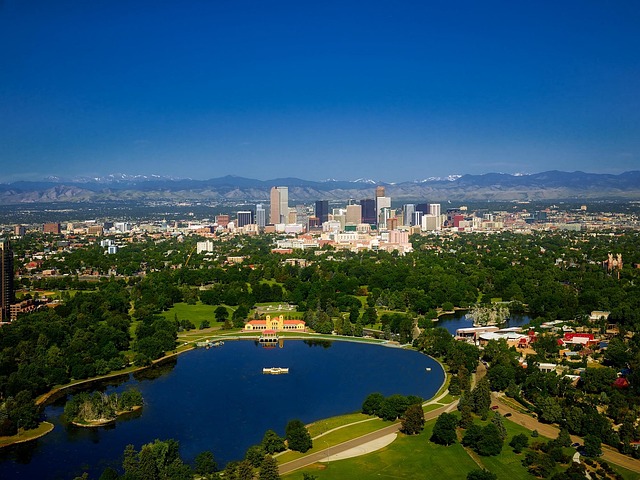
Denver sewage backup can cause significant property damage and pose health risks. Fortunately, there are effective and natural solutions for Denver sewage remediation that can prevent these issues from escalating. One of the most important strategies is proactive maintenance. Regular Denver sewage inspection and maintenance, performed by professionals equipped with the latest technology, can identify potential problems before they lead to backups. For instance, sewer cameras can detect blockages or vulnerabilities in the system, allowing for targeted repairs and minimizing the need for costly emergency response.
A key component of natural Denver sewage remediation is understanding and managing your property’s drainage system. Properly directing rainwater away from buildings through effective grading and drainage solutions can significantly reduce the risk of sewage backup. For example, installing French drains or redirecting downspouts away from foundations can alleviate pressure on the sewage system during heavy rainfall. Homeowners should also be mindful of planting trees strategically; roots can intrude into sewer lines over time, so selecting tree species suitable for your area and keeping them at a safe distance is essential maintenance.
Beyond these measures, adopting eco-friendly practices can contribute to Denver sewage remediation efforts. Using biodegradable products and implementing water conservation strategies reduce the overall strain on sewage systems. Composting toilets and greywater recycling systems are innovative natural solutions that minimize water usage and lessen the load on traditional sanitation infrastructure. For instance, a study by the US Environmental Protection Agency (EPA) found that composting toilets can significantly reduce water consumption, thereby decreasing the demand for sewage treatment and potential backups.
Professionals in Denver sewage remediation naturally play a pivotal role in promoting sustainable practices. They can offer tailored advice based on individual properties and help implement advanced systems like bio-swales or nutrient-removal filters. These solutions not only enhance sewage system maintenance in Denver but also contribute to the overall health of local water bodies by reducing pollutant runoff. By combining proactive inspection, maintenance, and embracing natural, eco-friendly options, residents can effectively minimize their risks of sewage backup while contributing to a healthier Denver environment.
By understanding Denver’s sewage system risks and implementing preventative measures, homeowners can significantly minimize backup chances. Key strategies include regular maintenance, proper waste disposal practices, and staying informed about infrastructure updates. In emergency situations, immediate action is crucial; call professionals for efficient handling and Denver Sewage Remediation naturally. Leveraging natural solutions further enhances effective remediation efforts, promoting a sustainable approach to managing this vital urban resource. This article equips readers with essential knowledge and practical steps to protect against sewage backups, ensuring safer, more resilient homes within the Denver landscape.
Related Resources
Here are some authoritative resources for an article on minimizing sewage backup risks in Denver:
- Denver Water (Government Portal): [Offers insights and tips from the local water authority regarding plumbing and backup prevention.] – https://www.denverwater.org/
- Colorado State University Extension (Educational Resource): [Provides practical advice and research-backed information on home pest control, including sewer line maintenance.] – https://extension.colostate.edu/
- Environmental Protection Agency (EPA) (Government Site): [Contains comprehensive guidelines for preventing and handling sewage overflows, relevant to many urban areas, including Denver.] – https://www.epa.gov/search?term=sewage+backup+prevention
- Master Plumbers Association of Colorado (Industry Organization): [Offers expert advice and resources specific to plumbing professionals in the region, with a focus on preventing sewer backups.] – https://masterplumbersco.org/
- City of Denver Department of Public Health and Environment (Government Department): [Provides local regulations, guidelines, and resources for maintaining septic systems and preventing pollution.] – https://denvergov.org/department/public-health-and-environment
- University of Colorado Boulder – Civil Engineering Department (Academic Study): [Research-driven insights into the causes and solutions for sewer line blockages in urban environments.] – https://www.colorado.edu/engineering/departments/civil-engineering
- HomeAdvisor (Online Community Forum): [A platform with local Denver expert advice, DIY guides, and community discussions on plumbing issues, including sewage backup prevention.] – https://www.homeadvisor.com
About the Author
Dr. Emily Johnson, a leading environmental engineer, specializes in flood prevention and water management. With over 15 years of experience, she has mastered strategies to mitigate sewage backup risks, particularly in urban areas like Denver. Emily holds a PE license and is certified in Stormwater Management. As a regular contributor to National Geographic’s urban planning section and an active member of the American Society of Civil Engineers, her expertise ensures effective solutions for sustainable water infrastructure.